
Window Sill Mold Cleanup
Professional cleanup of mold growth on window sills to restore a healthy indoor environment.
Window sill mold in Chantilly, VA, thrives in damp, poorly ventilated areas and can spread spores throughout your home if not addressed properly. Professional cleanup involves containment, targeted removal, HEPA filtration, and moisture control to prevent recurrence—critical steps that go beyond surface cleaning to address hidden growth and underlying causes.
When to call for help
Window sill mold often starts as a small, isolated patch but can signal deeper moisture issues if ignored. In Chantilly’s humid climate, mold regrows quickly if the source isn’t fixed.
We also handle Mold Removal & Remediation and Water Damage Restoration for Chantilly properties.
Recurring growth, musty odors, or hidden dampness behind sills are clear signs professional remediation is needed—especially if the affected area exceeds 25 square feet or involves black mold (Stachybotrys).
DIY cleaning may temporarily reduce visible mold, but spores linger in porous materials like wood or drywall. Without containment and HEPA filtration, spores spread during removal, worsening contamination. A professional assessment determines whether the mold is surface-level or embedded, guiding the right approach for your home.
Signs It’s Time for Professional Cleanup
- Mold covers more than a small, isolated patch (e.g., >25 sq ft contiguous growth).
- Visible mold keeps returning after cleaning, even after drying the area.
- A musty smell persists with no visible mold—indicating hidden growth in walls or ductwork.
- Black mold (dark green/black streaks) is present, which requires specialized handling.
What affects cost and scope
Pricing for window sill mold cleanup in Chantilly depends on the size of the affected area, the type of mold, and whether hidden growth or moisture sources need addressing.
Surface-level mold on non-porous materials like tile or vinyl is less costly than embedded growth in wood or drywall, which may require partial demolition. Black mold cases typically cost 15–25% more due to stricter containment and disposal protocols.
Additional factors include whether clearance testing is needed (often required for thorough remediation) and whether the moisture source—like a leak or poor ventilation—must be fixed to prevent recurrence. A written scope of work upfront helps avoid unexpected costs later.
What’s included in professional remediation
A full cleanup goes beyond wiping down sills—it includes sealing the work area to prevent spore spread, removing contaminated materials if needed, and treating surfaces with antimicrobial solutions. Industrial drying ensures moisture levels return to normal, while HEPA filtration captures spores during removal.
Clearance testing confirms the job is complete, though this step is often optional in smaller jobs.
Unlike DIY methods, professional remediation addresses hidden risks: spores stirred up during removal, moisture trapped in framing, or growth behind sills. Skipping containment or filtration can turn a small job into a larger contamination issue, while fixing only the visible mold without the moisture source ensures the problem returns.
| Step | Why It Matters | What’s Done |
|---|---|---|
| Containment | Prevents spores from spreading to other rooms | Plastic sheeting + negative-air machines seal the work area |
| Removal | Eliminates embedded mold in porous materials | Cutting out drywall/insulation; scrubbing non-porous surfaces |
| HEPA Filtration | Captures spores during removal | HEPA vacuums + air scrubbers run continuously |
| Structural Drying | Prevents regrowth from residual moisture | Dehumidifiers + air movers until moisture levels normalize |
| Clearance Testing | Confirms spores are gone | Independent air/surface sampling (often optional for small jobs) |
How window sill mold cleanup works
Professional cleanup follows a structured process to remove mold safely and prevent recurrence.
- 1Contain the Area
Plastic sheeting and negative-air machines seal off the work zone to trap spores during removal, keeping them from spreading to other rooms.
- 2Remove Contaminated Materials
Porous materials like drywall or insulation—where mold grows deep—are cut out and bagged. Non-porous surfaces (tile, framing) are scrubbed and treated with antimicrobial solutions.
- 3Filter and Dry
HEPA-filtered vacuums and air scrubbers run continuously to capture airborne spores. Industrial dehumidifiers and fans dry the framing and subfloor to prevent moisture-related regrowth.
- 4Test for Clearance
An independent lab tests air or surfaces to confirm spore levels are back to normal before containment is removed. This step is critical for thorough remediation but may be optional for small jobs.
Frequently asked questions
Can I clean window sill mold myself, or should I call a professional?
Small, isolated patches on non-porous surfaces (like vinyl) can often be cleaned with vinegar or detergent, but mold covering more than 25 sq ft, returning after cleaning, or involving black mold requires professional containment and HEPA filtration to avoid spreading spores. Hidden moisture sources (like leaks) also need expert assessment to prevent recurrence.
Why does mold keep coming back after I clean it?
Recurring mold usually means the moisture source wasn’t fixed—whether it’s a leak, condensation, or poor ventilation. Cleaning without addressing the root cause leaves materials damp, allowing spores to regrow. A professional inspection identifies and seals these sources to help the finish last longer.
Do I need clearance testing after mold removal?
Clearance testing confirms spores are gone and is recommended for thorough remediation, though it’s often optional for small jobs. Without testing, there’s no independent verification the work resolved the contamination. Some insurance providers or future home buyers may also require proof of clearance.
How long does the cleanup process take?
The timeline varies by scope: a single window sill with surface mold may take 2–4 hours, while embedded growth or multiple sills can extend the job to a full day or more. Containment, drying, and testing add time if needed. The crew will provide a clearer estimate after assessing your specific situation.
Where Chantilly sits, and what the Census lists nearby
Chantilly sits in Virginia, and the closest places listed in the U.S. Census Gazetteer are Sully Square (2.4 miles north), Greenbriar (2.6 miles southeast), Navy (2.8 miles east), Franklin Farm (2.9 miles northeast). Within 25 miles of Chantilly the same source lists 178 distinct incorporated places and census-designated places.
Those figures matter for window sill mold cleanup because they are straight-line distances between Census coordinate points: road mileage between Chantilly and Sully Square runs longer than the 2.4 miles shown, which is why quotes for the same job differ between towns that look close together on a map.
Source: U.S. Census Bureau Gazetteer.
See Navy, VA for more, or find out about our full crew's Chantilly services in detail for our complete lineup.
Ready to get started?
Talk to a local mold remediation pro in Chantilly — get a written quote.
Other Mold Remediation Services in Chantilly
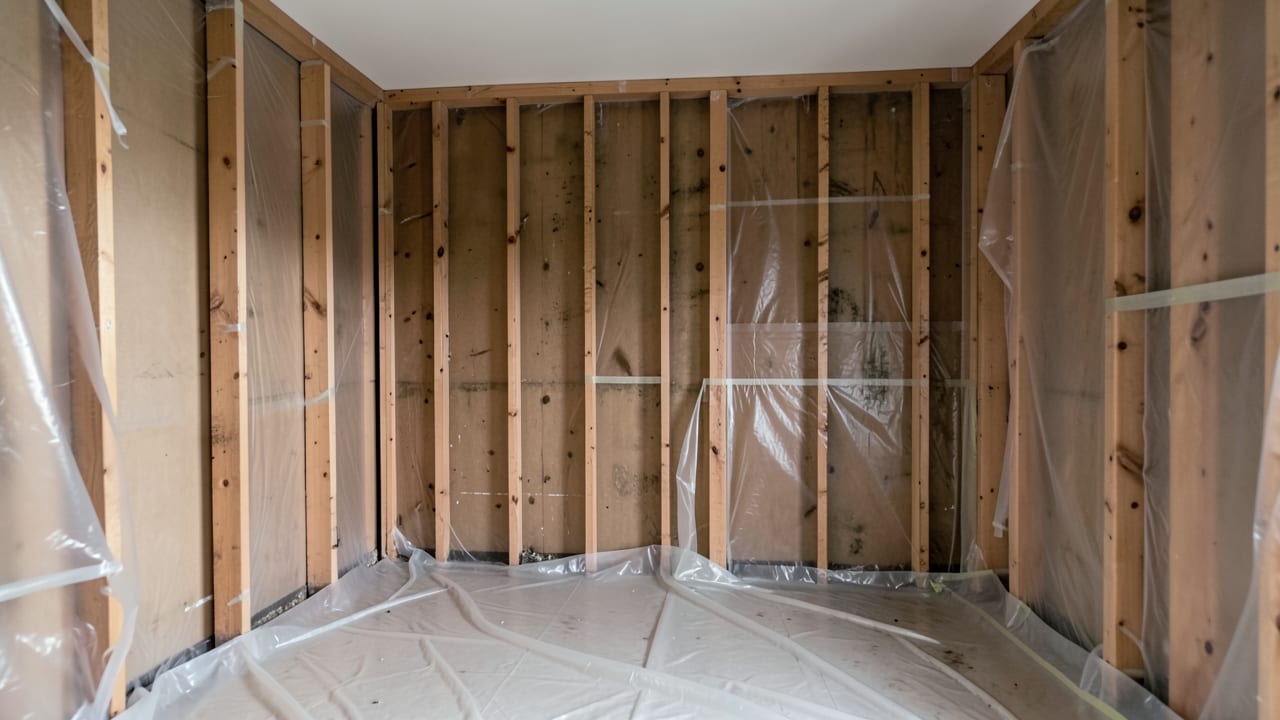
Mold Removal & Remediation in Chantilly, VA
Mold removal and remediation in Chantilly, VA — containment, HEPA filtration, and removal of affected material following industry (IICRC S520) protocol.
Learn More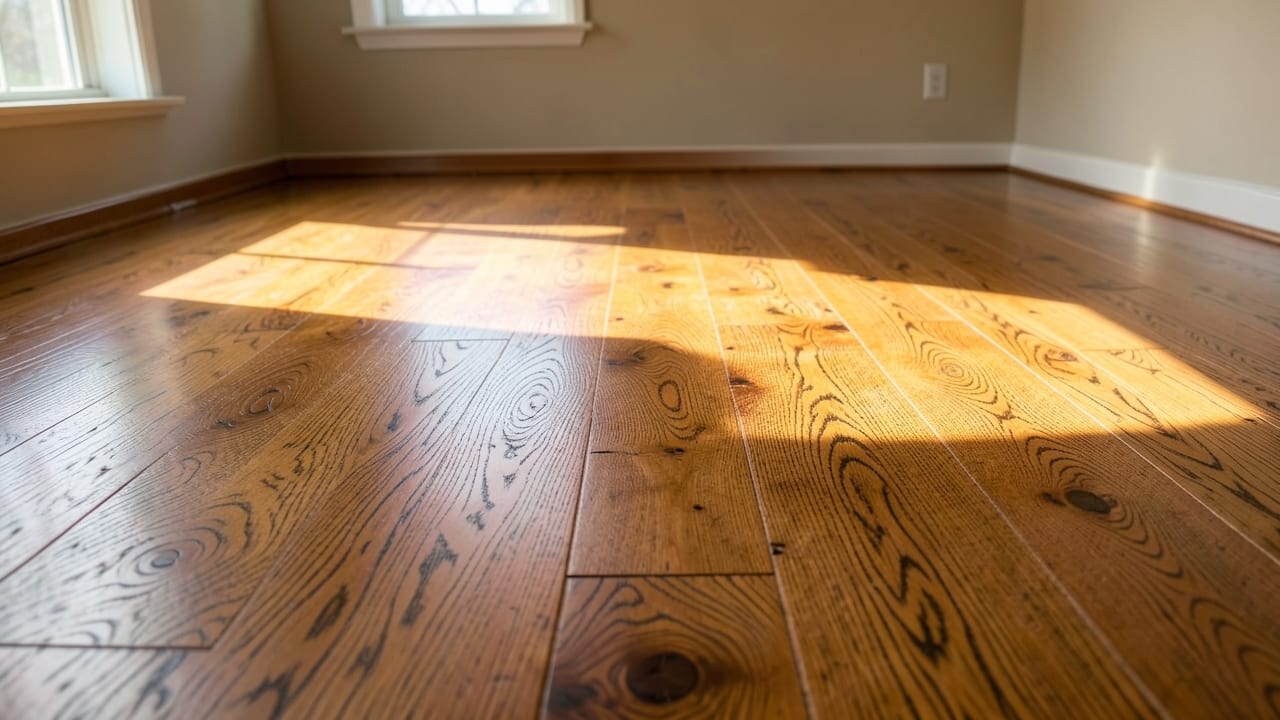
Water Damage Restoration in Chantilly, VA
Water damage restoration in Chantilly, VA — extraction and structural drying to stop mold growth before it starts, following a leak, storm, or flood.
Learn More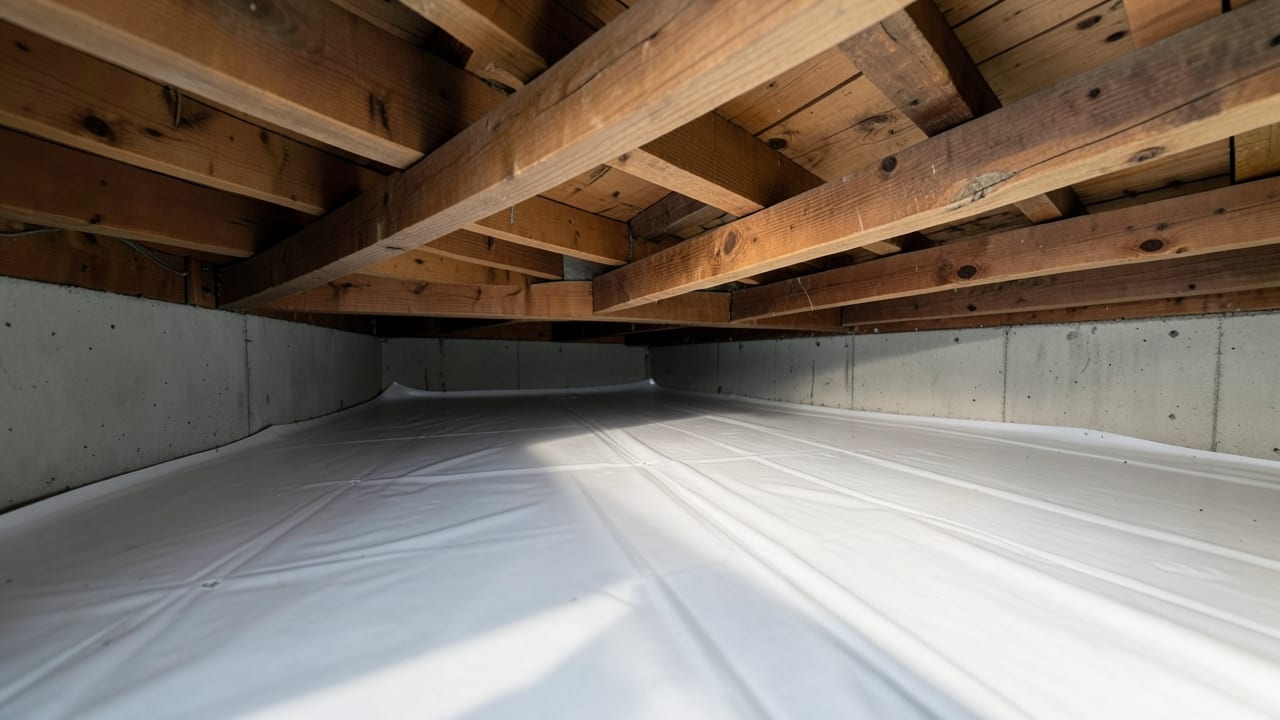
Crawl Space & Basement Mold Remediation in Chantilly, VA
Crawl space and basement mold remediation in Chantilly, VA addresses the two areas of a property most prone to trapped, unnoticed moisture.
Learn More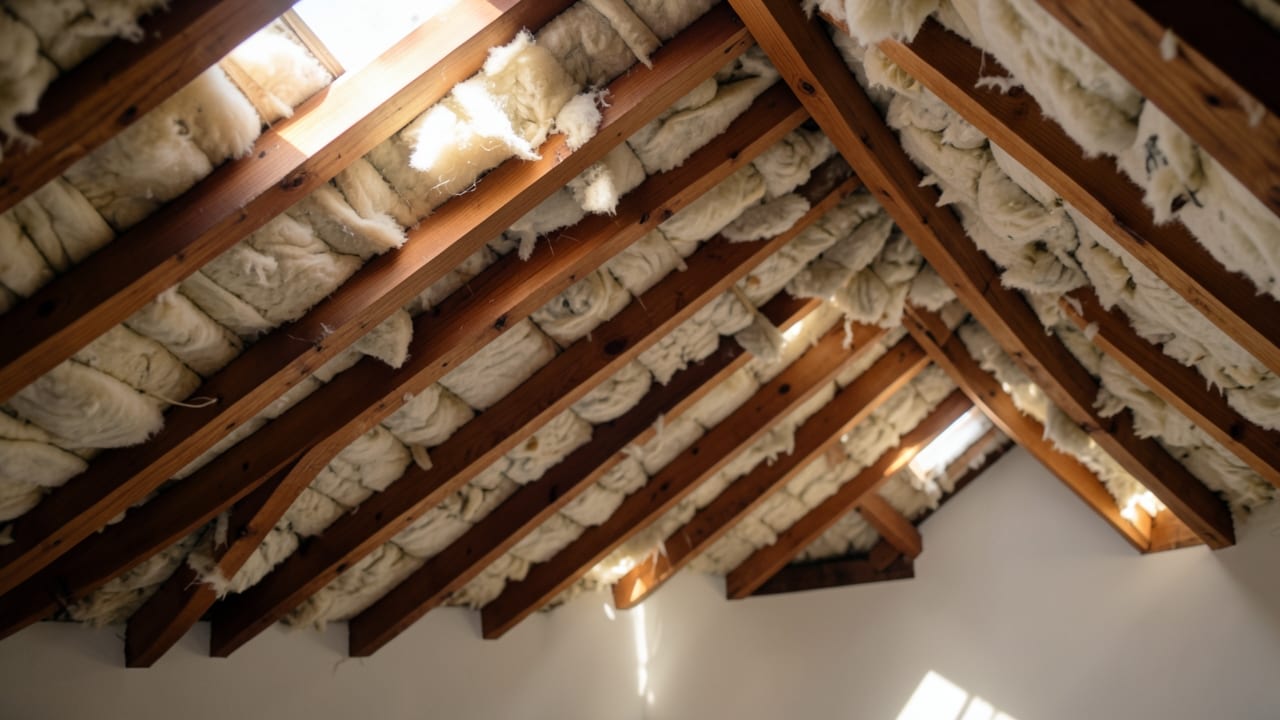
Attic Mold Remediation in Chantilly, VA
Attic mold remediation in Chantilly, VA addresses roof-deck growth typically caused by poor ventilation or a hidden roof leak.
Learn More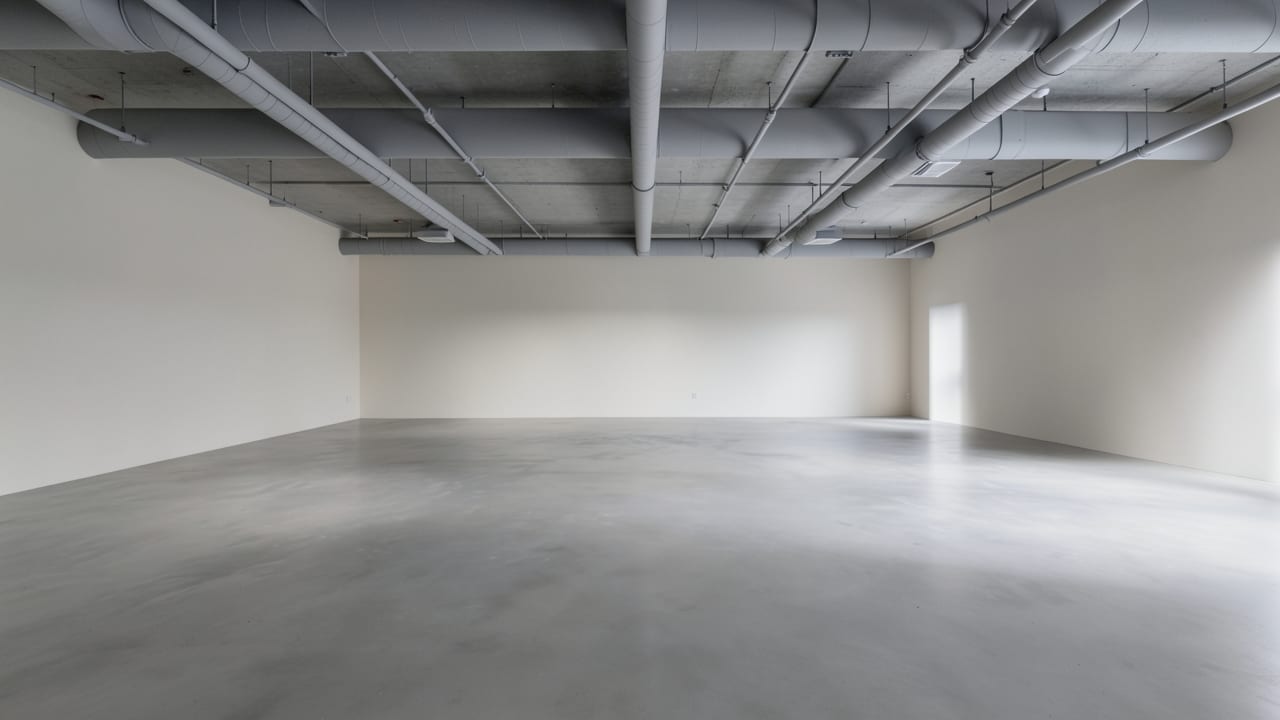
Commercial Mold Remediation in Chantilly, VA
Commercial mold inspection and remediation in Chantilly, VA for offices, retail space, and multi-unit properties, scheduled around business operations.
Learn More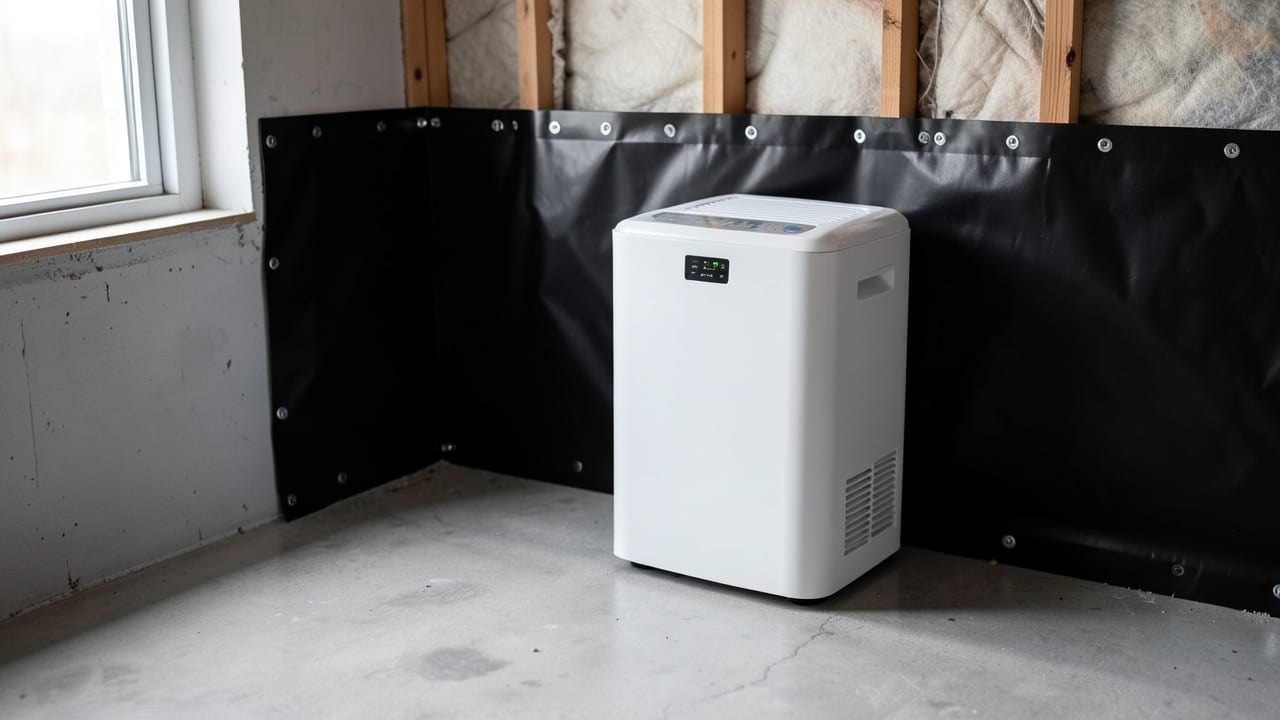
Mold Prevention & Moisture Control in Chantilly, VA
Mold prevention and moisture control in Chantilly, VA — addressing ventilation, humidity, and drainage before growth starts, not after.
Learn MoreCommon Questions About Mold Remediation in Chantilly
Everything you need to know about mold remediation services in Chantilly
How much does Window Sill Mold Cleanup typically cost in Chantilly, VA?
Why does Chantilly, VA's humidity make mold a bigger risk than in drier regions?
Can mold growing inside HVAC ductwork spread to the rest of a home?
Does mold mean the same thing as mildew?
Does homeowners insurance typically cover mold remediation?
Is black mold actually more dangerous than other mold types?
Need Mold Remediation in Chantilly?
Connect with local providers in Chantilly for a detailed quote.
⏰ We answer your call • Serving all of Chantilly and surrounding areas