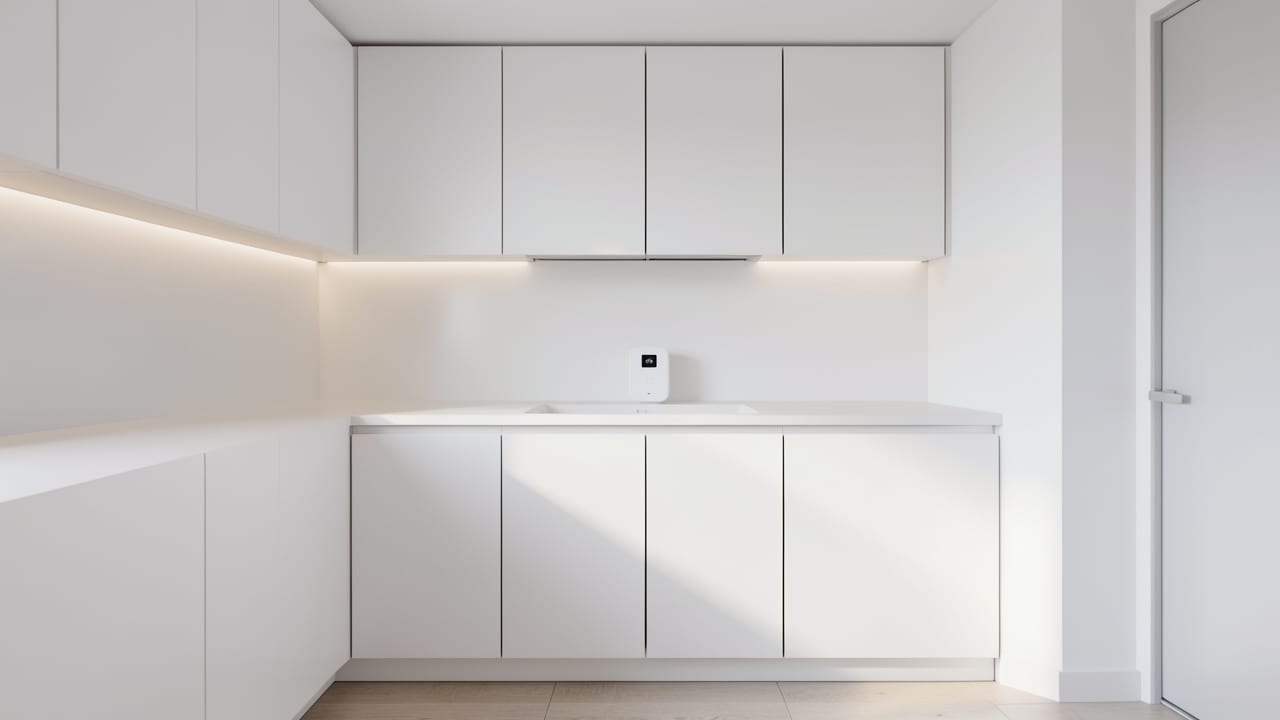
Move-In Mold Assessment
Professional inspection and assessment of mold presence before moving into a property.
A move-in mold assessment in Chantilly, VA, helps homeowners identify hidden or visible mold growth before moving in. This service includes a thorough inspection of walls, ceilings, basements, and HVAC systems, along with air and surface sampling to determine the scope of any contamination.
It provides a clear picture of what needs to be addressed before occupancy, backed by independent lab analysis and a detailed report.
We also handle Rental Property Mold Cleanup and School Mold Remediation for Chantilly properties.
What triggers a move-in mold assessment?
Most assessments are requested after a homeowner notices signs of mold, rather than as a routine check. Musty odors in closets, bathrooms, or crawl spaces—especially those that persist after airing out—are a common red flag.
Visible mold growth, such as dark spots on drywall, grout, or window frames, is another clear indicator that an assessment may be needed.
Past water damage, even if it was cleaned up, can hide mold beneath surfaces. Symptoms like sneezing, headaches, or itchy eyes that improve when avoiding a specific room may also signal hidden mold.
These signs are often noticeable without specialized tools, but a professional assessment confirms what’s present and where moisture is entering the home.
Signs You May Need an Assessment
- A persistent musty or earthy smell in a room that doesn’t go away with ventilation
- Visible mold growth—black, green, brown, or dark speckles—on walls, ceilings, or window frames
- A history of water leaks or flooding, even if the area was dried afterward
- Recurring health symptoms (sneezing, headaches, itchy eyes) that ease when away from a specific room
- Condensation or moisture buildup on windows, pipes, or walls
What the assessment includes—and why it matters
A move-in mold assessment goes beyond surface checks. It includes a visual inspection for visible growth, moisture meters to detect hidden dampness, and thermal imaging where available.
Air and surface samples are collected from affected areas and a control room to compare spore levels against a baseline, ensuring results are accurate and actionable.
The most critical part of the assessment is identifying the moisture source—whether it’s a roof leak, plumbing issue, poor grading, or condensation. Without addressing the root cause, mold can return even after remediation.
The final report details affected materials, the moisture source, and the square footage involved, which is essential for planning remediation and preventing future issues.
What to watch for in a quote
Not all quotes for mold assessments or remediation are created equal. Some may exclude critical steps like containment or clearance testing, while others lump everything into a single price without specifying what’s included. Always ask whether the quote covers inspection, testing, remediation, and post-work verification—or if those are priced separately.
A detailed written scope of work is non-negotiable. It protects you from unexpected costs or incomplete remediation. Look for quotes that specify square footage, moisture source diagnosis, and whether a third-party lab will verify clearance after work is done.
Avoid bids that pressure you to sign during the inspection or require full payment upfront.
| Red Flag | Why It’s a Concern |
|---|---|
| No written, itemized scope of work | Makes it impossible to compare bids or hold the provider accountable |
| Payment requested before any work begins | Removes leverage if the job isn’t completed as promised |
| No mention of post-remediation clearance testing | No independent confirmation the contamination was resolved |
| Pressure to sign the contract during the inspection | A legitimate scope takes time to prepare accurately |
How a move-in mold assessment works
A professional assessment follows a structured process to identify mold and its source.
- 1Visual and Moisture Inspection
The inspector examines every room for visible mold, staining, and musty odors. Moisture meters and thermal imaging are used to detect hidden dampness in walls, subfloors, and ceilings that isn’t visible to the naked eye.
- 2Air and Surface Sampling
Samples are collected from affected areas and one unaffected control room. Air samples use spore traps, while surface swabs target visible growth or suspect materials. This ensures lab results can be compared to a baseline.
- 3Independent Lab Analysis
Samples are sent to an accredited third-party lab for analysis, which typically takes 2–5 business days. The lab identifies mold species and spore concentrations without influence from the inspector.
- 4Moisture Source Diagnosis
The inspector traces moisture back to its origin—whether it’s a leak, poor ventilation, or condensation. This step is critical to preventing mold from returning after remediation.
- 5Written Scope Report
The findings are documented in a report detailing affected materials, moisture sources, and square footage. This report is used by remediation contractors to plan the work and, in some cases, is required by law before remediation begins.
Frequently asked questions
Can mold grow in a home even if I can’t see or smell it?
Yes. Mold often thrives in hidden spaces like behind walls, under flooring, or inside HVAC systems. Moisture meters and thermal imaging help detect dampness that isn’t visible, while air and surface sampling confirm whether mold is present.
Will the assessment tell me exactly what kind of mold I have?
The lab analysis identifies mold species and spore concentrations, but the assessment itself focuses on determining the scope of contamination and moisture sources. Some molds are more common in homes, while others may indicate specific issues like water damage.
What should I do if the assessment finds mold?
The report will outline affected areas and moisture sources. From there, you can decide whether to proceed with remediation, address the moisture issue yourself, or consult additional professionals. Remediation should always fix the moisture source to prevent recurrence.
How long does it take to get results after sampling?
Lab turnaround typically takes 2–5 business days, depending on the lab’s workload. The inspector will provide a timeline during the assessment and keep you updated on progress.
Where Chantilly sits, and what the Census lists nearby
Chantilly sits in Virginia, and the closest places listed in the U.S. Census Gazetteer are Sully Square (2.4 miles north), Greenbriar (2.6 miles southeast), Navy (2.8 miles east), Franklin Farm (2.9 miles northeast). Within 25 miles of Chantilly the same source lists 178 distinct incorporated places and census-designated places.
Those figures matter for move-in mold assessment because they are straight-line distances between Census coordinate points: road mileage between Chantilly and Sully Square runs longer than the 2.4 miles shown, which is why quotes for the same job differ between towns that look close together on a map.
Source: U.S. Census Bureau Gazetteer.
See Fairfax, VA for more, or see every option available in Chantilly for our complete lineup.
Ready to get started?
Talk to a local mold remediation pro in Chantilly — get a written quote.
Other Mold Remediation Services in Chantilly
Rental Property Mold Cleanup in Chantilly, VA
Professional mold removal and remediation for rental properties to restore safe living conditions.
Learn More
School Mold Remediation in Chantilly, VA
Professional mold removal and remediation in schools to ensure a safe, healthy environment.
Learn More
Glass Window Mold Removal in Chantilly, VA
Professional removal of mold from glass windows and frames to restore clarity and prevent spread.
Learn More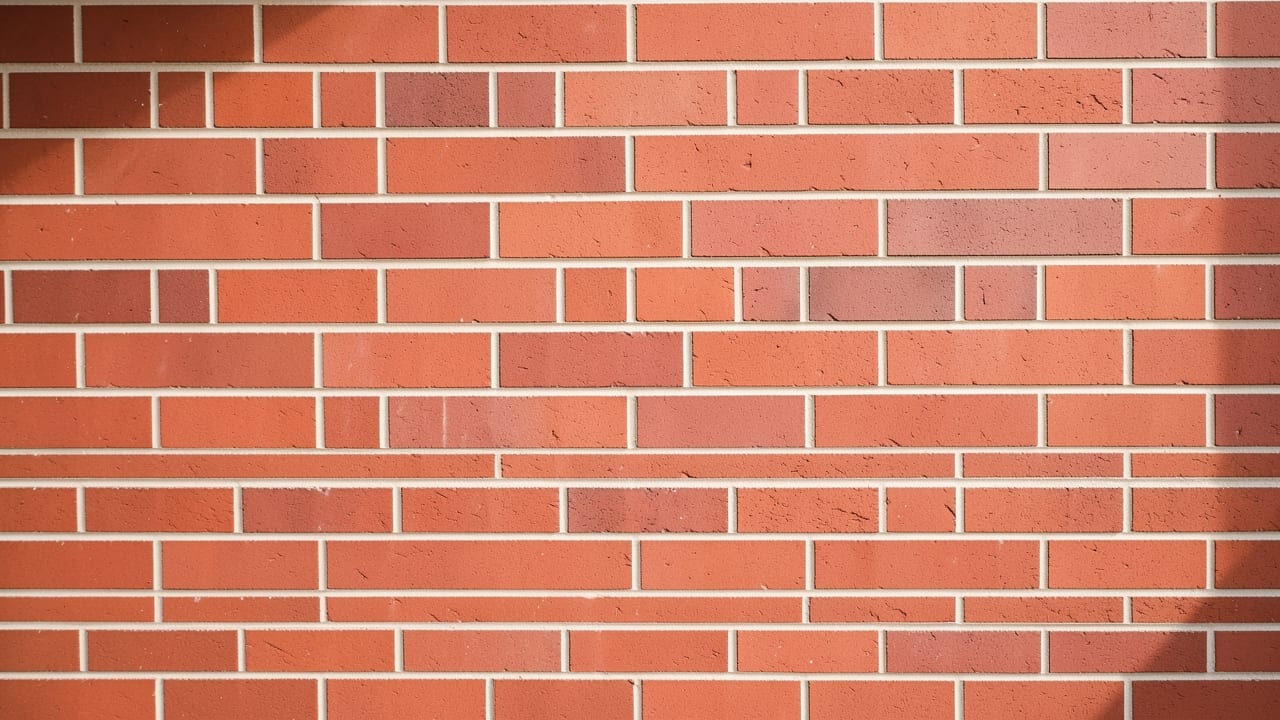
Brick Masonry Mold Treatment in Chantilly, VA
Professional mold treatment and removal from brick masonry to restore structural integrity and indoor air quality.
Learn More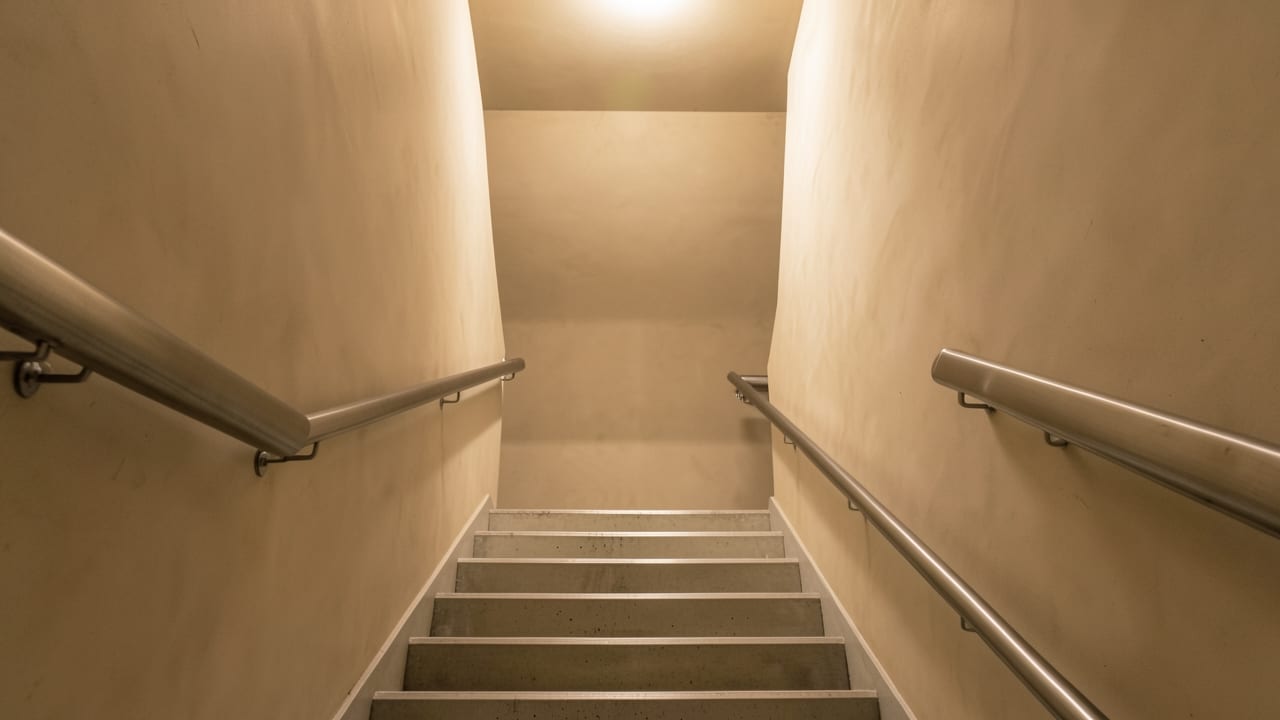
Stairwell Mold Remediation in Chantilly, VA
Professional mold removal and prevention in stairwells to restore safe, clean spaces.
Learn More
Balcony Mold Cleanup in Chantilly, VA
Professional removal and treatment of mold growth on balconies and adjacent structures.
Learn MoreCommon Questions About Mold Remediation in Chantilly
Everything you need to know about mold remediation services in Chantilly
How much does Move-In Mold Assessment typically cost in Chantilly, VA?
Why does Chantilly, VA's humidity make mold a bigger risk than in drier regions?
Can mold growing inside HVAC ductwork spread to the rest of a home?
Does mold mean the same thing as mildew?
Does homeowners insurance typically cover mold remediation?
Is black mold actually more dangerous than other mold types?
Need Mold Remediation in Chantilly?
Connect with local providers in Chantilly for a detailed quote.
⏰ We answer your call • Serving all of Chantilly and surrounding areas