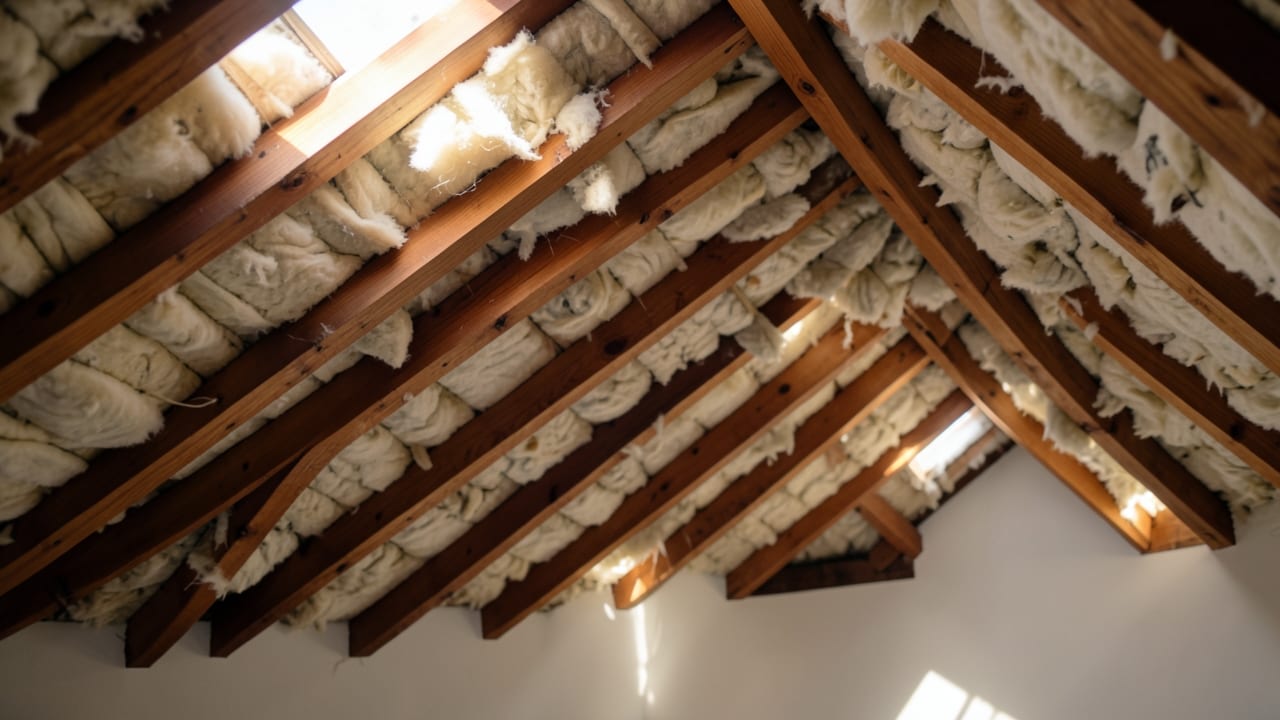
Attic Mold Remediation
Attic mold remediation in Chantilly, VA addresses roof-deck growth typically caused by poor ventilation or a hidden roof leak.
In Chantilly, VA, attic mold remediation addresses hidden growth on roof decking caused by poor ventilation or undetected roof leaks. Our service removes mold, treats affected wood, and corrects moisture sources to prevent recurrence.
Why Attics in Chantilly Develop Mold
Attic mold in Chantilly often appears on the underside of the roof deck, typically due to warm, humid indoor air escaping into a poorly ventilated attic. Without proper airflow, moisture condenses on the cooler roof surface, creating ideal conditions for mold growth.
We also handle Mold Inspection and Mold Testing & Air Quality Testing for Chantilly properties.
A roof leak is another common culprit. Even small leaks can go unnoticed from inside the home, but they feed moisture into the attic over time. Signs like discolored insulation, compressed batting, or moisture-meter readings on framing help identify hidden leaks before they cause visible ceiling stains.
Signs Your Chantilly Attic May Have Mold
- Dark staining or discoloration on the roof deck or rafters
- Musty odors in the attic or upper floors of the home
- Compressed, discolored, or damp attic insulation in isolated spots
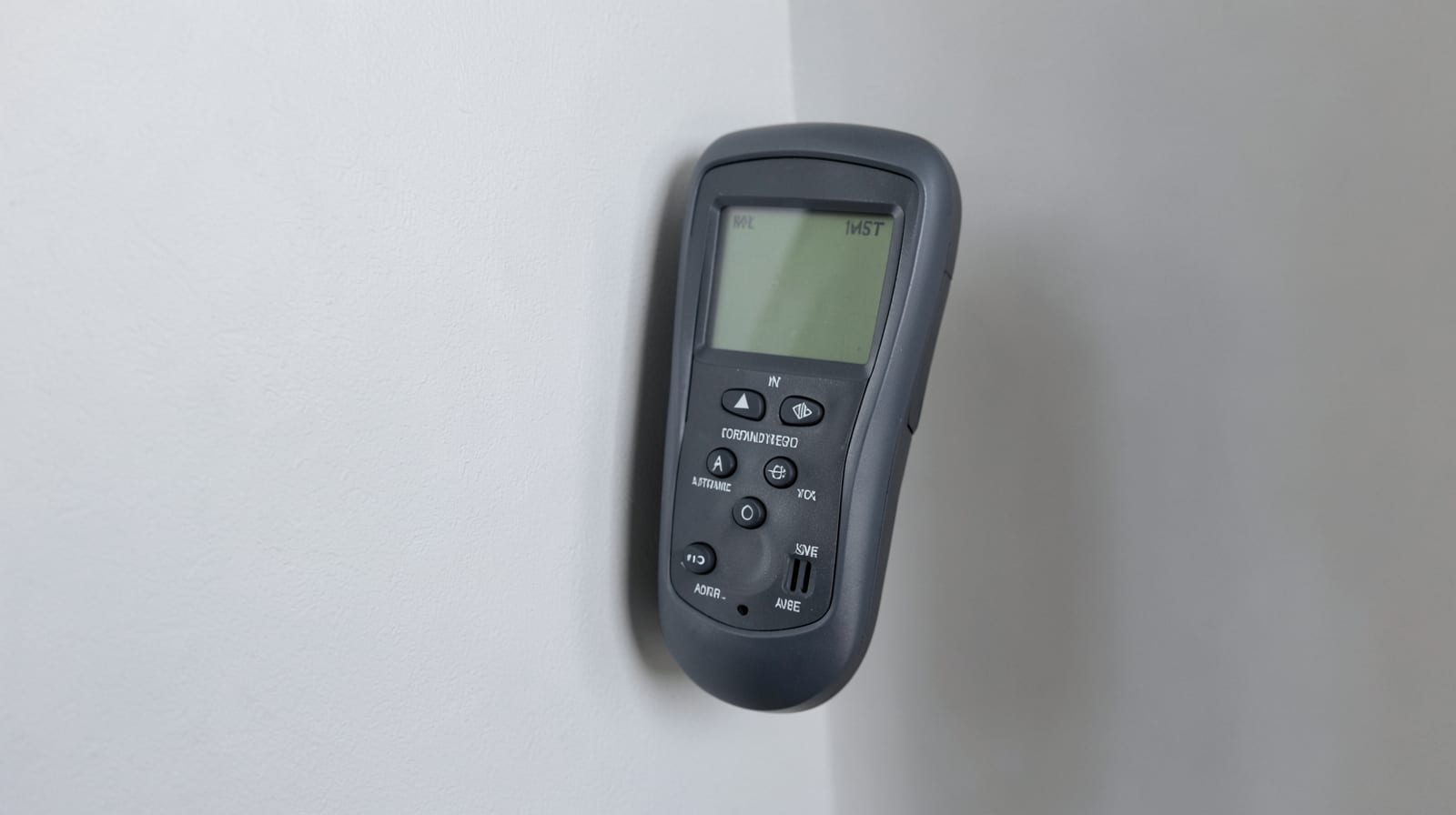
- High moisture readings on attic framing (detected with a moisture meter)
- Visible water intrusion or past roof leaks, even if previously repaired
What Affects Remediation Costs and Timing in Chantilly
Pricing for attic mold remediation in Chantilly varies based on attic size, the extent of mold growth, and whether additional repairs are needed. Larger attics or widespread infestations require more labor and materials, increasing costs.
If the mold stems from a roof leak or inadequate ventilation, addressing these issues is critical to prevent recurrence. Correcting ventilation or repairing the roof adds to the overall project cost but ensures long-term protection for your home.
| Factor | Impact on Cost/Timing |
|---|---|
| Attic size (square footage) | Larger attics require more labor, increasing cost |
| Extent of mold growth | Widespread growth increases time and material needs |
| Roof leak repair needed | Adds to cost but prevents future mold issues |
| Ventilation correction required | Adds to cost but ensures long-term prevention |
| Insulation replacement | Required for porous, contaminated insulation; adds to cost |
How Attic Mold Remediation Works
Our process ensures thorough removal and prevention of mold recurrence.
- 1Inspection and Moisture Source Identification
We examine the attic for mold, moisture, and ventilation issues. Moisture meters and visual checks help identify leaks or condensation problems as the root cause.
- 2Containment and HEPA Vacuuming
Affected areas are isolated to prevent mold spores from spreading. HEPA vacuuming removes loose mold spores from roof decking, framing, and other surfaces.
- 3Antimicrobial Treatment
All affected wood surfaces, including the roof deck and framing, are treated with an EPA-approved antimicrobial to kill remaining mold and prevent regrowth.
- 4Insulation Removal and Replacement
Contaminated attic insulation is removed and replaced, as porous insulation cannot be effectively cleaned. New insulation is installed to restore energy efficiency.
- 5Ventilation or Roof Repair (if needed)
If poor ventilation or a roof leak caused the mold, we correct these issues to prevent future growth. This may include adding soffit vents, ridge vents, or repairing the roof.
Frequently Asked Questions
How can I tell if my attic has mold if I haven’t noticed any leaks?
Look for dark staining on the roof deck, musty odors, or discolored insulation. A moisture meter can detect hidden leaks, and a professional inspection can confirm mold growth in hard-to-see areas.
Will my insurance cover attic mold remediation in Chantilly?
Coverage depends on your policy and the cause of the mold. If the mold resulted from a sudden, covered peril (like a storm-damaged roof), your insurance may cover remediation. Gradual issues like poor ventilation are often excluded, but it’s best to check with your provider.
How long does attic mold remediation take?
Most projects take 1-3 days, depending on the attic size, extent of mold, and whether ventilation or roof repairs are needed. Larger attics or complex repairs may extend the timeline.
Can I just clean the mold myself with bleach?
Bleach is not recommended for attic mold. It doesn’t penetrate porous surfaces like wood, can damage materials, and doesn’t address the root moisture issue. Professional remediation ensures thorough treatment and prevention of recurrence.
See Centreville, VA for more, or discover everything Chantilly homeowners can book with us by neighborhood for our complete lineup.
Ready to get started?
Talk to a local mold remediation pro in Chantilly — get a written quote.
Other Mold Remediation Services in Chantilly
Mold Inspection in Chantilly, VA
Mold inspection in Chantilly, VA — a visual and moisture-meter assessment that finds the source of growth, not just the visible spot on the wall.
Learn More
Mold Testing & Air Quality Testing in Chantilly, VA
Mold and indoor air quality testing in Chantilly, VA — lab-analyzed air and surface samples confirm what's actually growing and whether it's airborne.
Learn More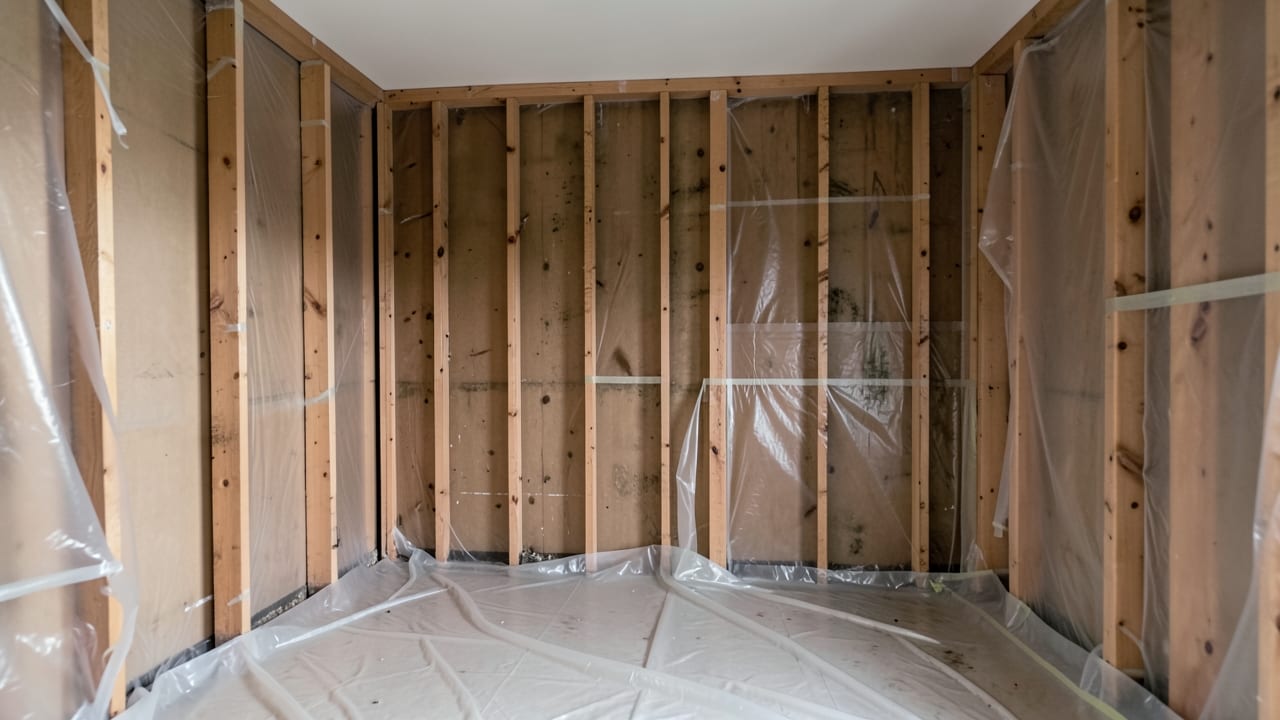
Mold Removal & Remediation in Chantilly, VA
Mold removal and remediation in Chantilly, VA — containment, HEPA filtration, and removal of affected material following industry (IICRC S520) protocol.
Learn More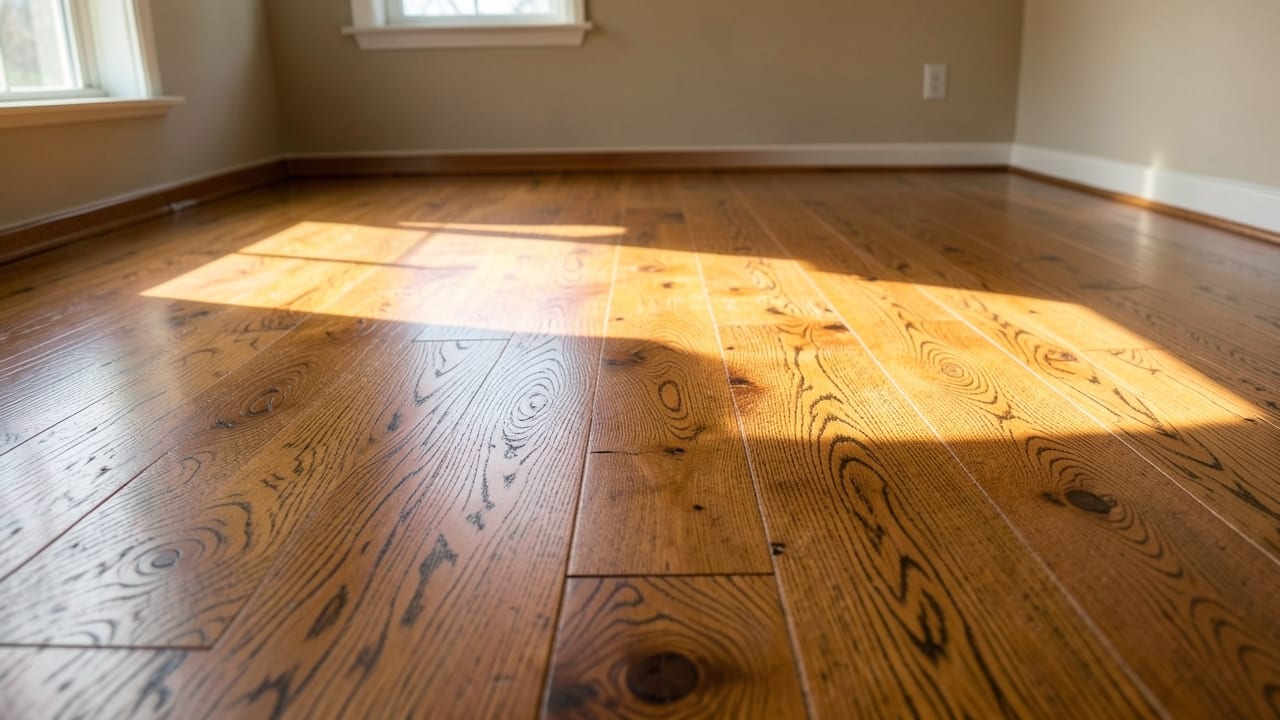
Water Damage Restoration in Chantilly, VA
Water damage restoration in Chantilly, VA — extraction and structural drying to stop mold growth before it starts, following a leak, storm, or flood.
Learn More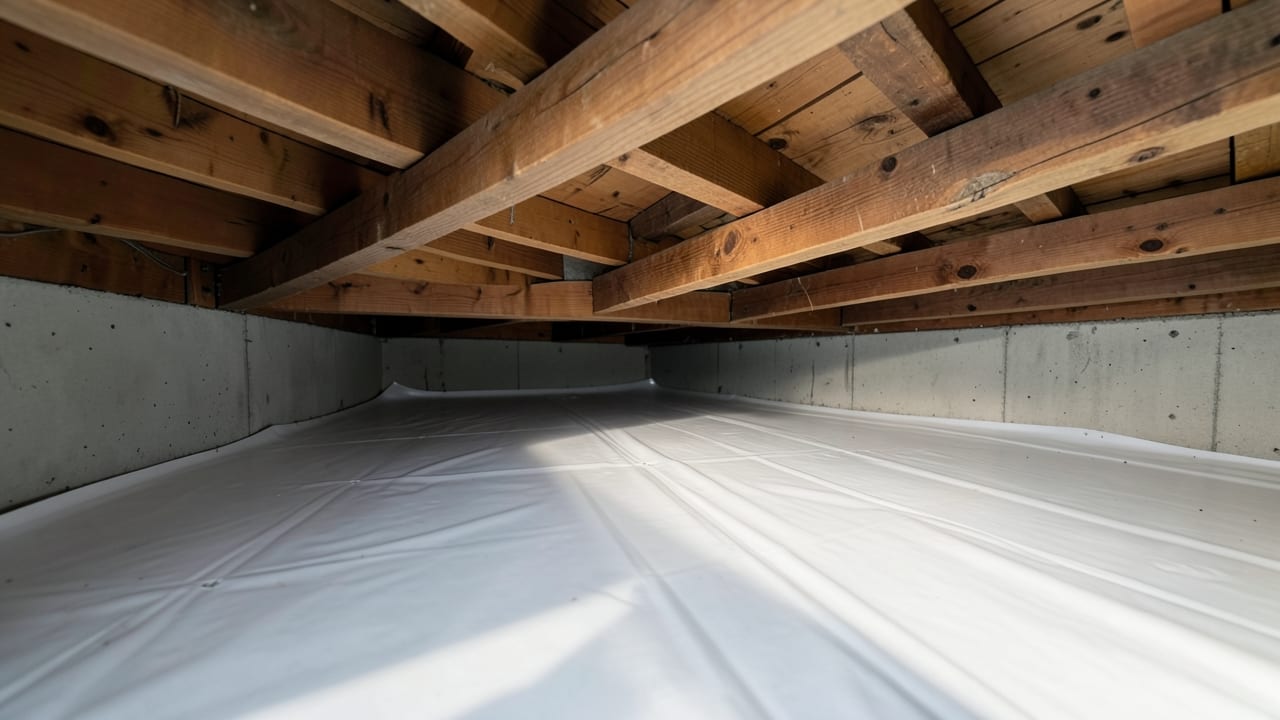
Crawl Space & Basement Mold Remediation in Chantilly, VA
Crawl space and basement mold remediation in Chantilly, VA addresses the two areas of a property most prone to trapped, unnoticed moisture.
Learn More
Commercial Mold Remediation in Chantilly, VA
Commercial mold inspection and remediation in Chantilly, VA for offices, retail space, and multi-unit properties, scheduled around business operations.
Learn MoreCommon Questions About Mold Remediation in Chantilly
Everything you need to know about mold remediation services in Chantilly
How much does Attic Mold Remediation typically cost in Chantilly, VA?
Why does Chantilly, VA's humidity make mold a bigger risk than in drier regions?
How does mold remediation actually prevent the problem from coming back?
Can mold growing inside HVAC ductwork spread to the rest of a home?
Does mold mean the same thing as mildew?
Does homeowners insurance typically cover mold remediation?
Need Mold Remediation in Chantilly?
Connect with local providers in Chantilly for a detailed quote.
⏰ We answer your call • Serving all of Chantilly and surrounding areas