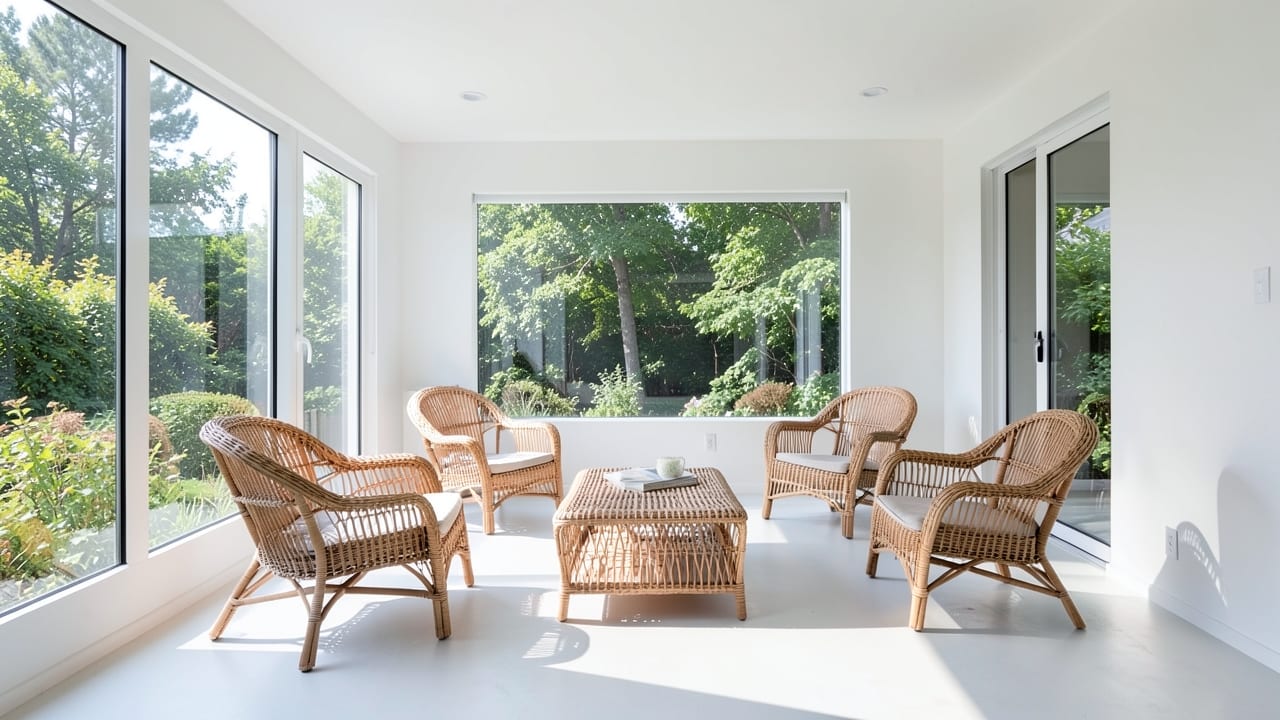
Sunroom Mold Remediation
Professional removal and treatment of mold in sunrooms to restore a safe, clean space.
Sunroom mold remediation in Chantilly, VA addresses mold growth in enclosed, poorly ventilated spaces like sunrooms, where moisture leads to hidden spores on walls, ceilings, and furniture. Proper containment, removal, and drying prevent regrowth and ensure the area is safe for use again.
This process targets both visible and hidden mold while fixing moisture sources to avoid recurrence.
We also handle Pre-Winter Mold Prevention and Spring Mold Inspection for Chantilly properties.
When sunroom mold needs professional attention
Mold in a sunroom often starts small but can quickly spread if moisture isn’t controlled. A single patch larger than 25 square feet—about the size of a standard door—typically signals the need for professional remediation, as DIY methods may miss hidden spores or fail to address moisture sources.
Recurring mold in the same spot or a musty smell with no visible growth are also red flags, often indicating hidden mold behind walls or under flooring.
Sunrooms are particularly vulnerable due to their enclosed nature, limited airflow, and exposure to outdoor humidity. Without proper ventilation or moisture control, condensation on windows or leaks in the roof can create ideal conditions for mold to thrive.
Ignoring these signs can lead to structural damage, health concerns, and higher costs down the line if the problem spreads.
Signs Your Sunroom Mold Needs Professional Help
- Mold covers more than 25 contiguous square feet (a common threshold for professional intervention).
- The mold keeps returning after cleaning, suggesting an unresolved moisture source.
- You notice a musty smell with no visible mold, which may indicate hidden growth in walls or ductwork.
- The mold appears black or dark green, which often signals toxic strains like *Stachybotrys chartarum* (black mold).
- You see condensation on windows or walls, or water stains that suggest ongoing leaks or poor drainage.
What affects the cost and timeline of sunroom mold remediation?
The cost of sunroom mold remediation in Chantilly varies based on the size of the affected area, the type of mold, and whether hidden growth or structural damage is involved.
Surface-level mold on drywall or tile typically falls within a predictable range, but black mold or extensive hidden growth can increase costs by 15–25% due to additional containment, removal, and testing requirements.
Timing depends on the scope of the job, with containment and clearance testing often adding days to the process. Structural drying—using industrial dehumidifiers and air movers—can take 24–72 hours to ensure moisture levels return to normal before the space is sealed back up.
Independent clearance testing, required to confirm spore levels are safe, may extend the timeline further but is critical for ensuring the job is complete.
What to expect during the remediation process
Professional sunroom mold remediation follows a structured approach to contain spores, remove affected materials, and prevent regrowth. The process begins with sealing off the work area using plastic sheeting and negative-air machines to trap spores during removal.
This ensures spores don’t spread to other parts of your home through airflow or HVAC systems.
After containment, porous materials like drywall or insulation—where mold has penetrated deeply—are cut out and disposed of safely. Non-porous surfaces like tile or framing are cleaned and treated to kill remaining spores.
HEPA-filtered air scrubbers run continuously to capture airborne spores, and surfaces are vacuumed with HEPA-equipped tools to prevent recirculation. Structural drying with dehumidifiers and air movers follows to eliminate residual moisture, which is critical for preventing future growth.
Using standard shop vacuums or non-HEPA air scrubbers during remediation doesn’t capture spores—it releases them back into the air, turning a contained job into a larger contamination risk. Similarly, fixing only the visible mold without addressing leaks, condensation, or poor ventilation leaves moisture sources intact, leading to regrowth within months.
How sunroom mold remediation works
This process ensures mold is removed safely and doesn’t return by addressing both visible growth and hidden moisture sources.
- 1Containment Setup
Plastic sheeting and negative-air machines seal the sunroom off from the rest of your home. This prevents spores stirred up during removal from drifting into unaffected areas through hallways or HVAC ducts.
- 2Material Removal and Cleaning
Porous materials like drywall or insulation, which absorb mold deeply, are cut out and bagged inside containment. Non-porous surfaces like tile or framing are scrubbed with antimicrobial treatments to kill spores without replacement.
- 3HEPA Filtration and Drying
HEPA air scrubbers run continuously to capture airborne spores, while surfaces are vacuumed with HEPA tools. Industrial dehumidifiers and air movers dry framing and subfloors to normal moisture levels, preventing mold from returning.
- 4Clearance Testing
An independent lab tests air or surface samples to confirm spore levels are back to normal before containment is removed. This step verifies the remediation was effective and the space is safe to reoccupy.
- 5Moisture Source Fix
The crew identifies and addresses leaks, condensation, or poor ventilation causing the mold. Fixing the source—such as sealing windows, improving airflow, or repairing roof leaks—helps ensure the mold doesn’t return.
Frequently asked questions
How do I know if my sunroom mold is dangerous?
Mold can pose health risks if it’s toxic (like black mold) or if spores spread widely. Signs of danger include large patches (over 25 sq ft), recurring growth after cleaning, or symptoms like coughing, sneezing, or skin irritation in household members. Independent testing can confirm the mold type and severity.
Will my insurance cover sunroom mold remediation?
Some homeowners’ insurance policies cover mold remediation if the cause is sudden and accidental, like a burst pipe. However, gradual issues (e.g., long-term leaks or poor ventilation) are often excluded. Check your policy or contact your insurer to confirm coverage before starting work.
How long until my sunroom is safe to use again after remediation?
The timeline depends on the job’s scope, but most sunrooms are safe to reoccupy within 3–7 days once containment is removed and clearance testing confirms spore levels are normal. Structural drying may take an additional 24–72 hours, and some surfaces (like freshly treated wood) may need time to fully dry.
Can I stay in my home during sunroom mold remediation?
Yes, but you may need to avoid the contained work area. The crew will seal off the sunroom to prevent spore spread, so other parts of your home remain unaffected. Follow their guidance on ventilation and airflow during the process to minimize disruption.
Where Chantilly sits, and what the Census lists nearby
Chantilly sits in Virginia, and the closest places listed in the U.S. Census Gazetteer are Sully Square (2.4 miles north), Greenbriar (2.6 miles southeast), Navy (2.8 miles east), Franklin Farm (2.9 miles northeast). Within 25 miles of Chantilly the same source lists 178 distinct incorporated places and census-designated places.
Those figures matter for sunroom mold remediation because they are straight-line distances between Census coordinate points: road mileage between Chantilly and Sully Square runs longer than the 2.4 miles shown, which is why quotes for the same job differ between towns that look close together on a map.
Source: U.S. Census Bureau Gazetteer.
See Difficult Run, VA for more, or find out about every option available in Chantilly in one place for our complete lineup.
Ready to get started?
Talk to a local mold remediation pro in Chantilly — get a written quote.
Other Mold Remediation Services in Chantilly
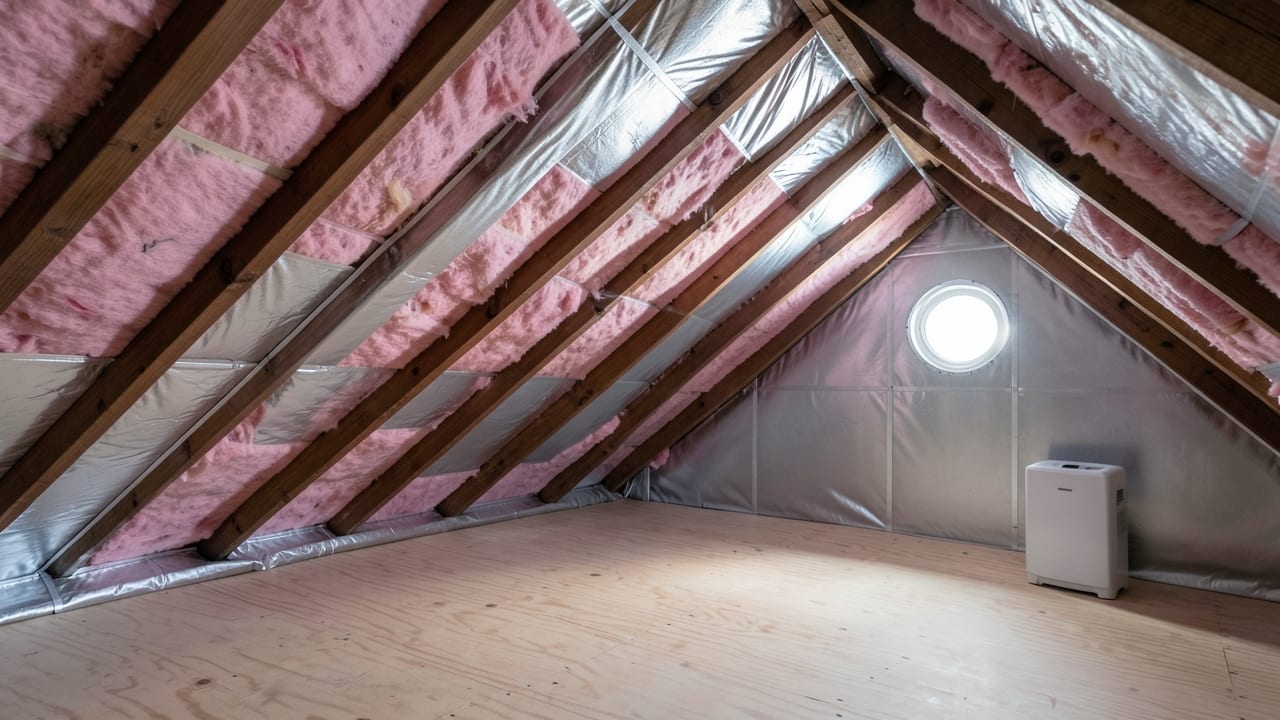
Pre-Winter Mold Prevention in Chantilly, VA
Pre-winter mold prevention involves inspection and treatment to stop mold growth before cold weather.
Learn More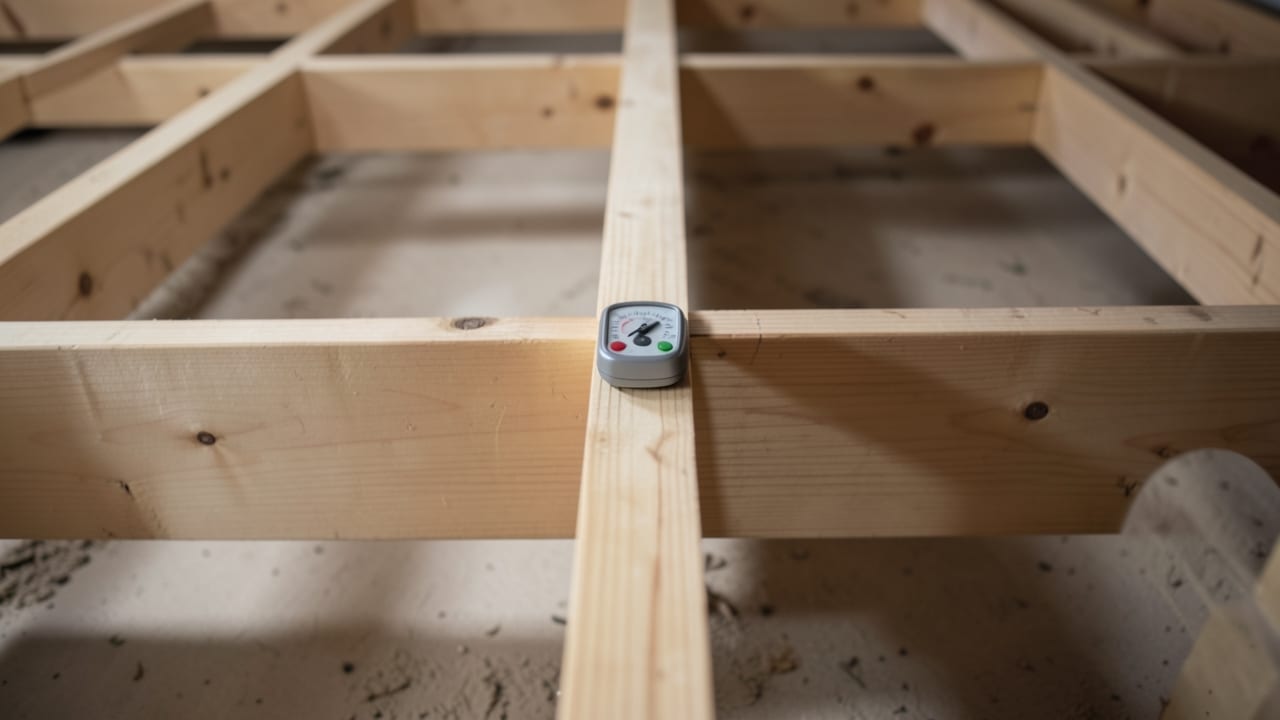
Spring Mold Inspection in Chantilly, VA
Professional assessment and identification of mold growth in homes.
Learn More
Move-In Mold Assessment in Chantilly, VA
Professional inspection and assessment of mold presence before moving into a property.
Learn More
Pre-Sale Mold Clearance in Chantilly, VA
Pre-sale mold clearance involves inspection and testing to confirm a property is mold-free before purchase.
Learn More
Post-Remediation Sealing in Chantilly, VA
Applying protective sealants to surfaces after mold remediation to prevent future growth.
Learn More
Mold Inspection in Chantilly, VA
Mold inspection in Chantilly, VA — a visual and moisture-meter assessment that finds the source of growth, not just the visible spot on the wall.
Learn MoreCommon Questions About Mold Remediation in Chantilly
Everything you need to know about mold remediation services in Chantilly
How much does Sunroom Mold Remediation typically cost in Chantilly, VA?
Why does Chantilly, VA's humidity make mold a bigger risk than in drier regions?
Is it safe to stay in the home during mold remediation?
Can small mold problems be handled without hiring anyone?
What's the actual difference between mold removal and mold remediation?
Is a final clearance test part of a typical mold remediation job?
Need Mold Remediation in Chantilly?
Connect with local providers in Chantilly for a detailed quote.
⏰ We answer your call • Serving all of Chantilly and surrounding areas