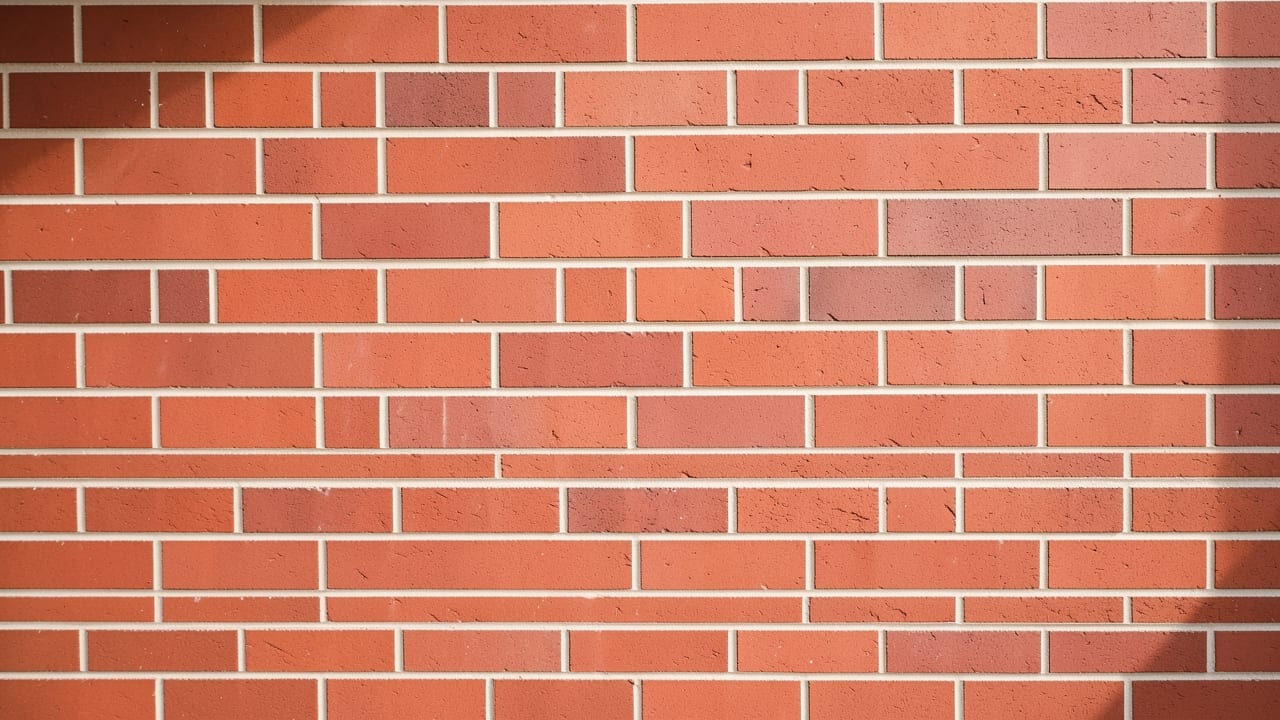
Brick Masonry Mold Treatment
Professional mold treatment and removal from brick masonry to restore structural integrity and indoor air quality.
Brick masonry mold treatment in Chantilly, VA addresses mold growth on brick surfaces, both inside and outside homes, caused by moisture exposure or poor ventilation. Without proper intervention, mold can deteriorate brickwork, compromising its appearance and structural integrity over time.
Professional remediation ensures safe removal and prevents recurrence by addressing moisture sources and using containment protocols to protect unaffected areas.
We also handle Storm Damage Mold Cleanup and Pre-Winter Mold Prevention for Chantilly properties.
When to consider brick masonry mold treatment
Mold on brick surfaces often signals deeper moisture issues. Visible signs include dark, discolored patches that spread beyond isolated spots, or mold that reappears after cleaning. A musty odor—especially one that intensifies when HVAC systems run—may indicate hidden growth behind brickwork or within ductwork.
If mold covers more than a small area or keeps returning, professional treatment is recommended to prevent further damage.
Chantilly’s humid climate and older brick homes can create ideal conditions for mold. Rooms with poor airflow, like basements or windowless bathrooms, are particularly vulnerable. Ignoring these signs can lead to structural weakening and health concerns, making timely remediation essential for homeowners.
Signs Your Brickwork Needs Mold Treatment
- Mold covers more than a small, isolated patch (typically over 25 sq. ft. of contiguous growth).
- Mold returns within weeks after cleaning, suggesting an unresolved moisture source.
- A musty smell persists even after visible mold is removed, often indicating hidden growth.
- Brick surfaces feel damp or show efflorescence (white, chalky deposits) year-round.
What affects cost and timeline for brick masonry mold treatment
The scope of the job drives pricing and duration. Surface-level mold on accessible brickwork typically costs less than embedded growth requiring structural repairs. Black mold (Stachybotrys) may increase costs by 15–25% due to stricter containment and disposal protocols.
Labor rates, material costs, and the need for structural drying or moisture barrier installation also play a role. Chantilly’s market rates reflect these variables, with most single-room treatments falling within a predictable range.
Timelines depend on the extent of contamination, drying requirements, and clearance testing. Containment alone can take hours, while deep remediation—including wall repairs or HVAC duct cleaning—may require days. Independent testing to confirm clearance adds time but ensures the work meets safety standards.
Critical steps to prevent mold regrowth after treatment
Even after remediation, mold can return if moisture sources persist. Fixing leaks, improving ventilation, and controlling humidity are key. In Chantilly’s climate, dehumidifiers or small fans in damp-prone areas—like basements or bathrooms—help maintain low humidity.
Exterior grading and downspout placement should also be checked to prevent water from pooling near brick foundations.
Post-treatment monitoring is critical. Periodically inspect treated areas for dampness or new growth, especially during Chantilly’s humid seasons. Addressing issues early can prevent costly re-treatment. Homeowners should also review their HVAC system for mold growth, as ducts can spread contamination throughout the home.
| Action | Why It Matters | Chantilly-Specific Tip |
|---|---|---|
| Fix leaks or grading issues near brickwork | Prevents moisture from feeding new growth | Check downspouts—directing water away from foundations is critical in VA’s rainy seasons |
| Install dehumidifiers in damp rooms | Maintains humidity below 50% to inhibit mold | Basements and windowless bathrooms are high-risk areas |
| Improve airflow with fans or vents | Reduces stagnant air where mold thrives | Run bathroom fans 20+ minutes after showers to dry walls |
| Schedule annual HVAC inspections | Catches hidden ductwork mold before it spreads | VA’s humidity accelerates mold in unmaintained systems |
How brick masonry mold treatment works
Professional remediation follows a structured process to safely remove mold and prevent its return.
- 1Containment Setup
Plastic sheeting and negative-air machines seal the work area to trap spores during removal, preventing them from spreading to unaffected parts of the home.
- 2Mold Removal
Porous materials like drywall or insulation are cut out and disposed of, while non-porous surfaces—such as brick or tile—are scrubbed and treated with antimicrobial solutions.
- 3Structural Drying
Industrial dehumidifiers and air movers dry framing and subfloors to safe moisture levels before reclosing the area, as damp materials encourage regrowth.
- 4HEPA Filtration
HEPA air scrubbers and vacuums run continuously during the job to capture airborne spores, unlike standard equipment that recirculates them.
- 5Clearance Testing
An independent lab tests air or surfaces post-remediation to confirm spore levels are within normal ranges before containment is removed.
Frequently asked questions
How do I know if my brickwork mold is severe enough to need professional treatment?
Mold covering more than a small patch (typically over 25 sq. ft.), recurring after cleaning, or accompanied by a musty odor suggests professional treatment is needed. DIY methods often miss hidden growth or moisture sources, leading to faster regrowth.
Will treating brick masonry mold also fix the moisture problem causing it?
Remediation removes existing mold, but fixing the moisture source—such as leaks, poor ventilation, or exterior water pooling—is essential to prevent recurrence. A professional assesses both during the job.
How long does it take to complete brick masonry mold treatment in my home?
Timelines vary by scope. Containment and removal may take hours to days, while drying and testing add time. Complex jobs—like those involving structural repairs or HVAC duct cleaning—can extend the process further.
Do I need to leave my home during the treatment process?
You may need to vacate the treated area during containment, but the rest of the home remains accessible. Professionals coordinate this to minimize disruption while ensuring safety.
Where Chantilly sits, and what the Census lists nearby
Chantilly sits in Virginia, and the closest places listed in the U.S. Census Gazetteer are Sully Square (2.4 miles north), Greenbriar (2.6 miles southeast), Navy (2.8 miles east), Franklin Farm (2.9 miles northeast). Within 25 miles of Chantilly the same source lists 178 distinct incorporated places and census-designated places.
Those figures matter for brick masonry mold treatment because they are straight-line distances between Census coordinate points: road mileage between Chantilly and Sully Square runs longer than the 2.4 miles shown, which is why quotes for the same job differ between towns that look close together on a map.
Source: U.S. Census Bureau Gazetteer.
See Oakton, VA for more, or discover the mold remediation work we do around Chantilly before booking for our complete lineup.
Ready to get started?
Talk to a local mold remediation pro in Chantilly — get a written quote.
Other Mold Remediation Services in Chantilly
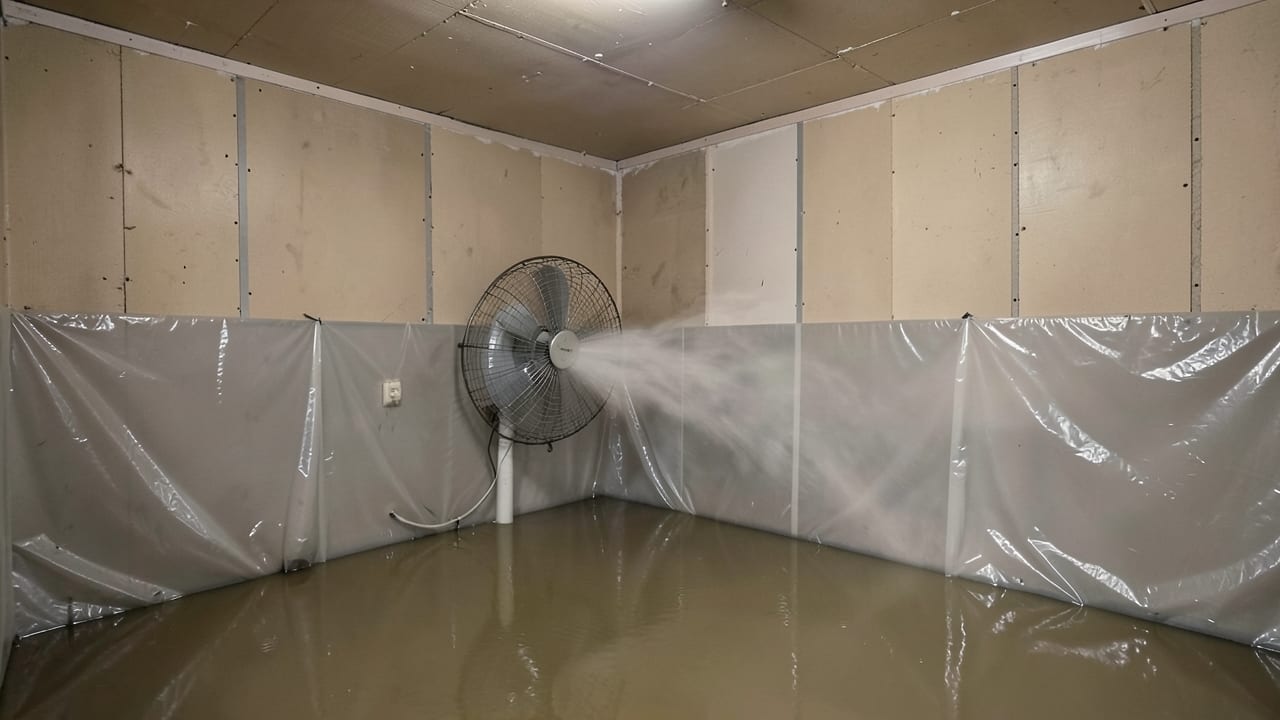
Storm Damage Mold Cleanup in Chantilly, VA
Professional cleanup and remediation of mold caused by storm-related water damage in homes.
Learn More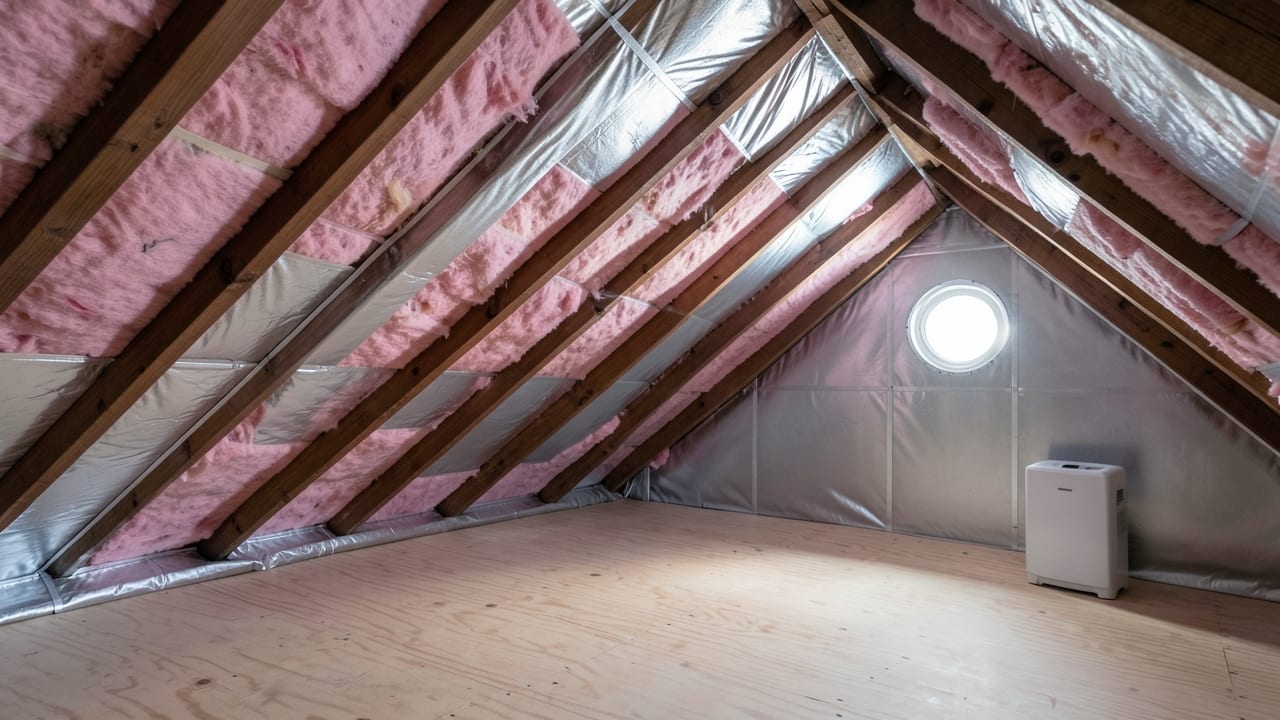
Pre-Winter Mold Prevention in Chantilly, VA
Pre-winter mold prevention involves inspection and treatment to stop mold growth before cold weather.
Learn More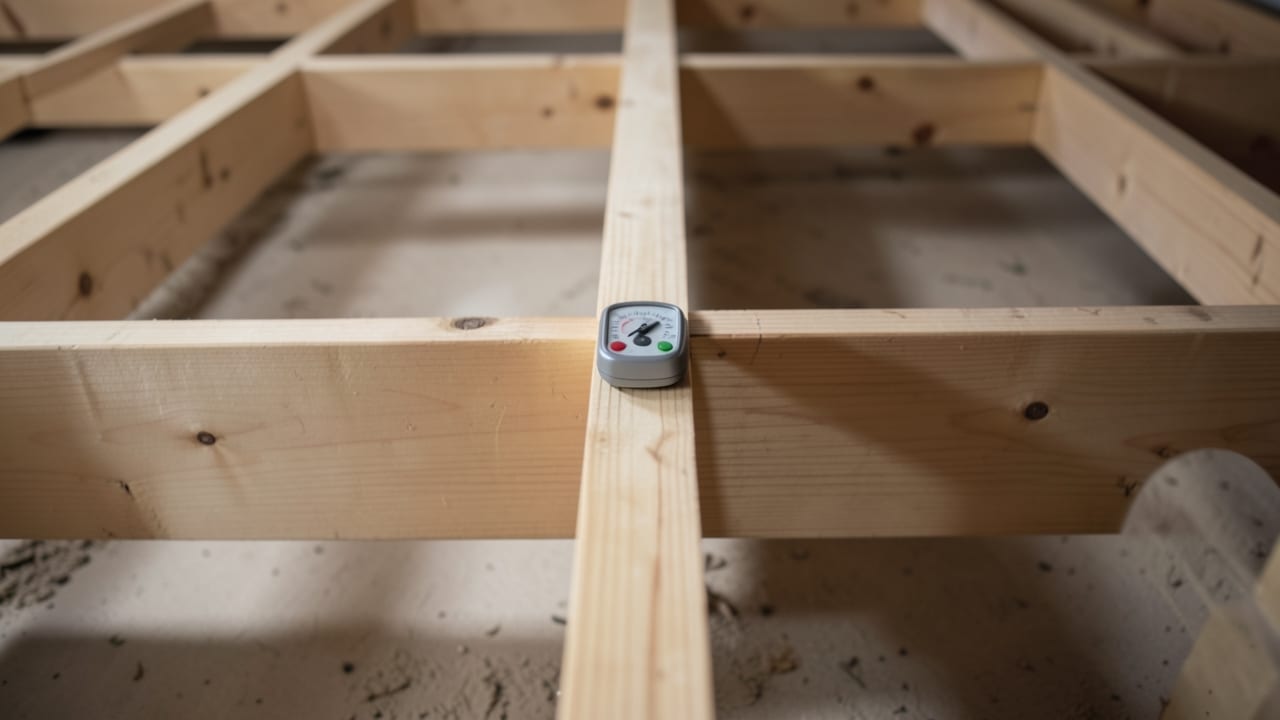
Spring Mold Inspection in Chantilly, VA
Professional assessment and identification of mold growth in homes.
Learn More
Move-In Mold Assessment in Chantilly, VA
Professional inspection and assessment of mold presence before moving into a property.
Learn More
Pre-Sale Mold Clearance in Chantilly, VA
Pre-sale mold clearance involves inspection and testing to confirm a property is mold-free before purchase.
Learn More
Post-Remediation Sealing in Chantilly, VA
Applying protective sealants to surfaces after mold remediation to prevent future growth.
Learn MoreCommon Questions About Mold Remediation in Chantilly
Everything you need to know about mold remediation services in Chantilly
How much does Brick Masonry Mold Treatment typically cost in Chantilly, VA?
Why does Chantilly, VA's humidity make mold a bigger risk than in drier regions?
Can mold growing inside HVAC ductwork spread to the rest of a home?
Does mold mean the same thing as mildew?
Does homeowners insurance typically cover mold remediation?
Is black mold actually more dangerous than other mold types?
Need Mold Remediation in Chantilly?
Connect with local providers in Chantilly for a detailed quote.
⏰ We answer your call • Serving all of Chantilly and surrounding areas