Mold in Rental Properties: Tenants’ Rights and Landlord Responsibilities in Chantilly
Mold in a rental property isn’t just an eyesore—it’s a health hazard and a legal issue. In Chantilly, both tenants and landlords have clear responsibilities under Virginia law. We’ll break down who’s accountable, how to document the problem, and the steps to remediate it safely and thoroughly.
Virginia Law: Who’s Responsible for Mold in a Rental?
Virginia’s Landlord-Tenant Act requires landlords to maintain habitable premises. This includes addressing mold caused by structural issues like leaks, poor ventilation, or water intrusion—common in older homes near Difficult Run or Sully Square.
Tenants, however, are typically responsible for mold resulting from their own actions, such as failing to use bathroom exhaust fans or not reporting leaks promptly. The burden of proof often falls on documentation.
Signs Your Chantilly Rental Has a Mold Problem
Visible mold—black, green, or white—on walls, ceilings, or around windows is the most obvious sign. But don’t overlook musty odors, especially in basements or crawl spaces, which are prone to humidity in our region.
Allergic reactions like sneezing, itchy eyes, or respiratory issues can also indicate hidden mold. Tenants in Fairfax, Centreville, or Herndon often report symptoms worsening indoors, a red flag for poor air quality.
Red Flags for Mold in Rentals
- Persistent musty smells, especially after rain
- Water stains on ceilings or walls (common after heavy storms in Fair Oaks or Reston)
- Peeling paint or wallpaper in bathrooms or kitchens
- Condensation on windows or HVAC vents
- Unexplained health symptoms that improve when away from home
Documenting Mold: Protecting Your Rights as a Tenant
Start with dated photos and videos of the mold, water damage, and any affected belongings. Note the location, size, and any health symptoms you or your household experience.
Send a written request to your landlord via certified mail or email, citing Virginia Code § 55.1-1220. Keep copies. This creates a paper trail if the issue isn’t addressed promptly.
Bleaching mold only hides the problem temporarily. Disturbing mold without proper containment can spread spores, worsening contamination. Always involve professionals for testing and remediation.
Landlord Obligations: From Inspection to Remediation
Once notified, landlords must respond ‘reasonably’—usually within 14 days under Fairfax County guidelines. This includes hiring a licensed mold inspector to assess the extent and source of the problem.
If mold covers 10+ square feet or stems from hidden water damage (common in crawl spaces in Braddock or Franklin Farm), professional remediation is non-negotiable. We use HEPA filtration, containment barriers, and moisture control to prevent recurrence.
| Scenario | Landlord Responsibility | Tenant Responsibility |
|---|---|---|
| Mold from roof leak or plumbing failure | Repair source + full remediation | Report issue promptly |
| Mold due to tenant’s poor ventilation | Educate tenant; remediate if tenant complies | Improve airflow, use exhaust fans |
| Mold in HVAC system | Inspect/clean ducts; replace if contaminated | Allow access for maintenance |
| Mold from unaddressed water damage | Remediate + repair underlying cause | Document and request action |
| Hidden mold in walls/attics | Professional testing + remediation | Grant access for work |
The Remediation Process: What to Expect in Your Chantilly Home
First, we isolate the area with plastic sheeting and negative air pressure to prevent spore spread. This is critical in multi-unit buildings or townhomes in South Riding or Stone Ridge.
Porous materials like drywall or carpet often require removal, while non-porous surfaces (tile, glass) can be cleaned with specialized solutions. We then address the moisture source—whether it’s a leaky pipe, poor grading, or high humidity from the Potomac’s influence.
When Landlords Drag Their Feet: Legal Recourse for Tenants
If your landlord ignores a written request, you can file a complaint with Fairfax County’s Code Enforcement. For severe cases, tenants may withhold rent or ‘repair and deduct’—but consult a lawyer first to avoid eviction risks.
Virginia doesn’t have a specific ‘mold law,’ but courts often side with tenants if the landlord’s inaction violates habitability standards. Document everything, including medical records if health is affected.
Fairfax County’s Health Department offers guidance on indoor air quality. For legal aid, tenants can contact the Virginia Legal Aid Society or local tenant advocacy groups.
Preventing Mold in Chantilly Rentals: A Shared Responsibility
Landlords should ensure proper grading, gutters, and downspouts to divert water away from foundations—a must in flood-prone areas like Bull Run or Union Mill. Regular HVAC maintenance prevents ductwork mold, a common issue in older homes.
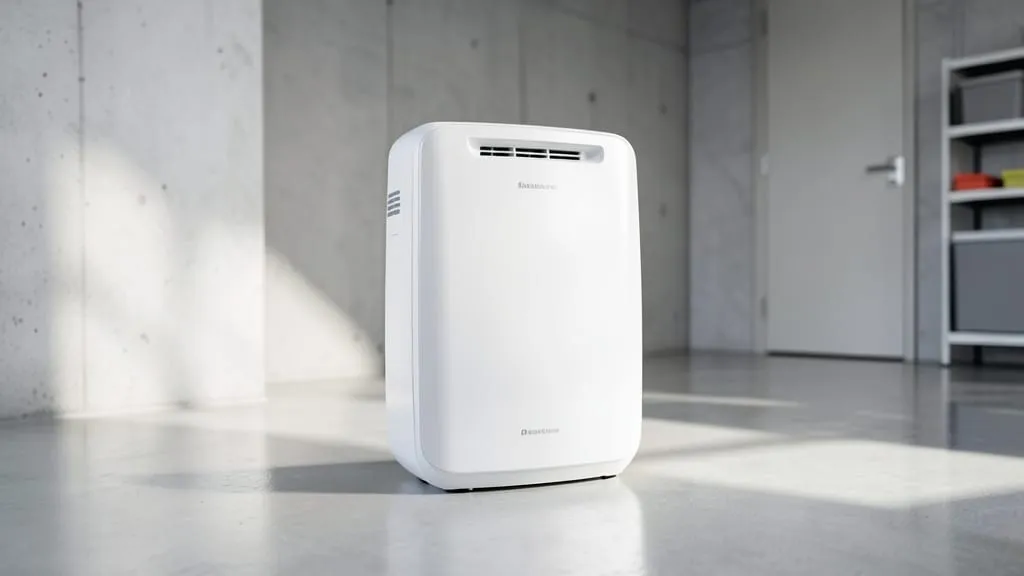
Tenants can help by using dehumidifiers in basements, wiping down wet surfaces, and reporting leaks immediately. Even small drips from bathroom fixtures can lead to mold behind walls in our humid summers.
Commercial Rentals and Mold: Different Rules for Chantilly Businesses
Commercial leases often shift more responsibility to tenants, but landlords must still maintain the building’s structure. In Sterling or Herndon office parks, mold from roof leaks or poor ventilation can disrupt operations and pose liability risks.
We work with property managers to conduct proactive mold testing and air quality assessments, especially in older buildings or those with past water damage. Early detection saves costs and avoids tenant disputes.
How to Request Mold Remediation from Your Landlord
Follow these steps to ensure your request is taken seriously and documented properly.
- 1Inspect and Document
Take clear, dated photos/videos of mold, water damage, and affected areas. Note any health symptoms and when they started.
- 2Notify in Writing
Send a formal email or letter (certified mail) to your landlord or property manager, referencing Virginia’s habitability laws. Request an inspection and remediation plan.
- 3Allow Access
Grant the landlord or their mold remediation team access to the property for assessment. Avoid disturbing the mold yourself.
- 4Follow Up
If no action is taken within 14 days, send a second notice and consider filing a complaint with Fairfax County Code Enforcement.
- 5Seek Legal Advice if Needed
For severe cases, consult a tenant rights attorney to explore options like rent withholding or lease termination.
Frequently Asked Questions
Can a landlord evict me for reporting mold in Chantilly?
No. Virginia law protects tenants from retaliation for reporting habitability issues, including mold. If your landlord threatens eviction or raises rent after your complaint, document it—this is illegal retaliation.
How do I know if the mold in my rental is toxic?
Only professional mold testing can identify specific species like Stachybotrys (black mold) and their toxicity. We collect air and surface samples for lab analysis, as visual inspection alone isn’t reliable. Request a quote for testing if you suspect a serious issue.
Who pays for mold remediation in a Chantilly rental?
The landlord typically covers costs if the mold results from structural issues or neglect. Tenants may be responsible if the mold stems from their actions (e.g., not using ventilation). The final determination depends on the lease and documentation.
What if mold returns after remediation?
Recurring mold usually indicates an unresolved moisture source. Reputable remediation companies like ours provide warranties and will revisit the site to address the root cause—whether it’s a hidden leak in Fair Lakes or poor drainage in Greenbriar.
Are landlords required to disclose past mold issues in Chantilly?
Virginia doesn’t mandate mold disclosure, but landlords must reveal known defects that affect habitability. If mold was previously remediated, it’s prudent to ask for records—especially in neighborhoods with frequent water issues, like Navy or Oakton.
Can I break my lease due to mold in my Chantilly apartment?
Possibly, if the landlord fails to address a serious mold problem that makes the unit uninhabitable. Consult a lawyer to review your lease and local laws before taking this step.