The Science Behind Effective Mold Removal in Chantilly Hospitals
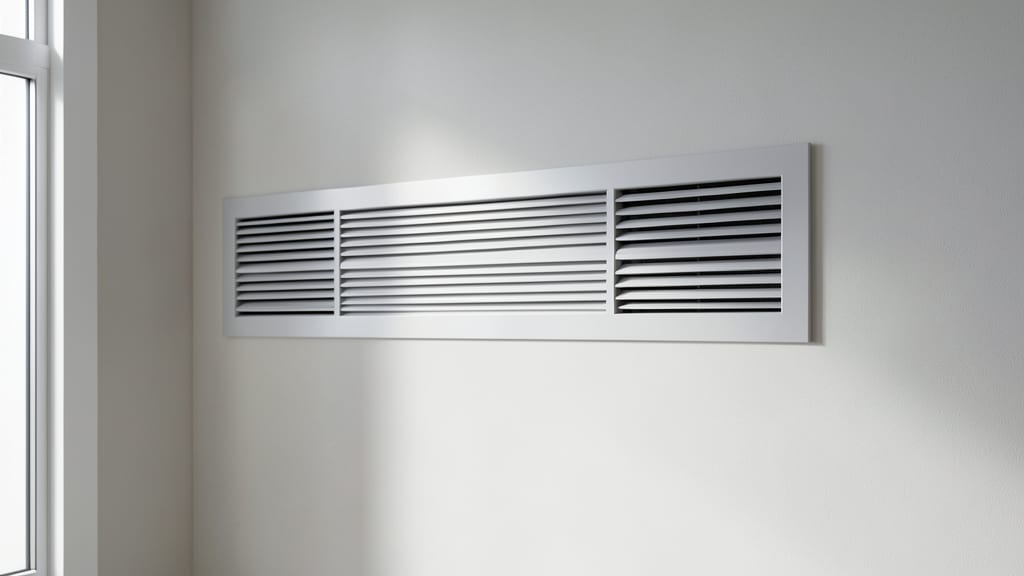
Hospitals demand a higher standard for mold remediation—patient safety, infection control, and uninterrupted operations are non-negotiable. We combine IICRC S520 protocols with hospital-specific containment and air purification to eliminate mold at the source while protecting vulnerable populations.
Why Hospitals Require Specialized Mold Remediation
Healthcare facilities house immunocompromised patients, making even trace mold spores a serious risk. Standard residential methods fall short in sterile environments where cross-contamination can have life-threatening consequences.
Chantilly’s humid summers and older buildings in areas like Sully Square or Fairfax heighten the risk of hidden mold in HVAC systems, basements, or behind walls. Hospitals often face mold in less obvious zones: operating rooms, labs, or storage areas with poor ventilation.
OSHA and Joint Commission standards mandate rigorous containment, air filtration, and post-remediation verification—far beyond typical residential or commercial projects.
Mold in hospital HVAC systems can aerosolize spores across entire wings. We always inspect ductwork in Centreville, Herndon, and Chantilly facilities as part of our initial assessment.
The Science of Containment and Air Control
Negative air pressure containment is non-negotiable. We use HEPA-equipped air scrubbers to create a vacuum effect, ensuring spores don’t migrate to clean zones during removal.
For large spaces like Fair Oaks or Reston hospital wings, we deploy modular containment barriers with airlocks. These are monitored in real-time for pressure differentials to maintain integrity.
Antimicrobial treatments are applied only after physical removal—never as a standalone solution. Sporicidal agents target root structures, but porous materials like drywall often require removal if contamination is deep.
Porous vs. Non-Porous Materials: What Stays, What Goes
Porous materials (drywall, ceiling tiles, carpet) absorb mold hyphae deeply. In hospitals, we err on the side of removal—especially in high-risk areas like ICUs or neonatal units.
Non-porous surfaces (metal, glass, sealed concrete) can often be cleaned with HEPA vacuuming and antimicrobial wiping. This is common in Sterling or Loudoun Valley Estates facilities with modern, sealed infrastructure.
The decision hinges on spore penetration depth, material criticality, and whether the item can be safely decontaminated without compromising structural or functional integrity.
| Material Type | Typical Action | Rationale |
|---|---|---|
| Drywall (porous) | Remove and replace | Hyphae penetrate deeply; cannot be fully decontaminated |
| Concrete (non-porous, sealed) | HEPA vacuum + antimicrobial treatment | Surface-level spores can be eliminated without removal |
| HVAC Ductwork (metal) | HEPA vacuum + sporicidal fogging | Prevents systemic spread; often paired with coil cleaning |
| Carpeting (porous) | Remove and replace | Harbors spores and mycotoxins; high-risk in patient areas |
| Stainless Steel (non-porous) | HEPA vacuum + antimicrobial wipe | Non-absorptive; spores remain surface-level |
HEPA Filtration and Air Scrubbing: The Invisible Shield
HEPA filters capture 99.97% of particles at 0.3 microns—critical for mold spores, which range from 2 to 100 microns. We deploy scrubbers in tandem with containment to purify air in real time.
In Chantilly hospitals, we often integrate portable HEPA units with existing HVAC during remediation to maintain air quality in adjacent zones. This is especially vital in older buildings in Braddock or Arcola.
Post-remediation, we run air scrubbers for 24–48 hours to ensure residual spore counts drop below hospital-safe thresholds. Clearance testing confirms success before reoccupancy.
Moisture Mapping: Stopping Mold at the Source
Mold is a symptom—moisture is the disease. We use thermal imaging and hygrometers to pinpoint water intrusion in walls, ceilings, or crawl spaces common in Fair Lakes or Greenbriar facilities.
Hospitals often have complex plumbing and roofing systems. Leaks in pipes or AC condensate lines can go unnoticed for months, feeding mold colonies in hidden cavities.
Our moisture maps guide targeted drying (dehumidifiers, air movers) and repairs to prevent recurrence. Without this step, even the best remediation is temporary.
In Chantilly’s climate, relative humidity above 60% sustains mold growth. We recommend hospital-grade dehumidifiers in basements and crawl spaces, especially in Union Mill or Stone Ridge.
Verification and Clearance: The Final Hurdle
Third-party clearance testing is mandatory for hospitals. We use spore trap sampling, surface swabs, and sometimes PCR analysis to confirm mold levels meet or exceed pre-remediation baselines.
Testing occurs after containment is removed but before reoccupancy. In high-stakes areas like operating rooms, we may also conduct additional HVAC testing to ensure no residual contamination.
Documentation is critical for compliance and liability. We provide detailed reports for hospital administrators, including before/after spore counts and moisture readings.
Hospital-Specific Challenges in Northern Virginia
Older hospitals in Fairfax or Clifton often have legacy HVAC systems prone to mold buildup in ductwork or coils. These require specialized cleaning and sometimes partial replacement.
Newer facilities in Brambleton or Moorefield may face mold from construction moisture trapped in building materials. We’ve seen this in recently expanded wings where drying wasn’t properly managed.
Emergency remediation is sometimes needed after water damage from storms or pipe bursts. Our team coordinates with hospital staff to isolate affected areas quickly, minimizing disruption to patient care.
How to Prepare Your Hospital for Mold Remediation
Proper preparation ensures a smooth, safe remediation process with minimal operational impact.
- 1Isolate the Affected Area
Work with our team to cordon off the space using plastic sheeting and airlocks. Ensure no patients or staff enter during remediation.
- 2Relocate Sensitive Equipment
Move medical devices, supplies, and electronics to a clean zone. Porous items (e.g., fabric-covered furniture) may need temporary removal.
- 3Shut Down HVAC to the Zone
Prevent spores from spreading via air ducts. Our team will assess whether the entire system or just the affected branch needs isolation.
- 4Communicate with Staff
Brief employees on the process, timeline, and safety protocols. Post signs in English and other relevant languages for clarity.
- 5Schedule Clearance Testing
Coordinate with our team to arrange third-party testing post-remediation. Plan for a 24–48 hour buffer before reoccupancy.
Frequently Asked Questions
How long does hospital mold remediation typically take in Chantilly?
Timelines vary by scope, but most hospital projects take 3–7 days for active remediation, plus 1–2 days for clearance testing. Large or complex cases (e.g., HVAC contamination in Fairfax or Reston facilities) may require 10+ days. We provide a detailed schedule after the initial inspection.
Can mold remediation be done without shutting down hospital operations?
Yes, with careful planning. We use phased containment and off-hours work to minimize disruption. Critical areas (e.g., ICUs) may require temporary relocation of patients or services. Our team coordinates closely with hospital administrators to prioritize safety and continuity.
What types of mold are most common in Northern Virginia hospitals?
Aspergillus, Penicillium, and Cladosporium are frequent due to our humid climate. Stachybotrys (black mold) is less common but can occur in areas with chronic water damage, like basements in Oakton or crawl spaces in South Riding. Each requires tailored remediation protocols.
Is encapsulation ever used in hospital mold remediation?
Rarely. Encapsulation (sealing mold with a protective coating) is generally not recommended in healthcare settings due to the risk of future spore release. Removal is the gold standard, though encapsulation may be considered for non-porous, non-critical surfaces in low-risk areas after thorough cleaning.
How do you ensure mold doesn’t return after remediation?
We address the root cause—moisture. This includes repairing leaks, improving ventilation, and installing dehumidifiers in prone areas like basements in Sterling or attics in Herndon. We also provide a moisture control plan and recommend regular inspections, especially in older buildings.
Do you handle asbestos testing if mold is found in older Chantilly hospitals?
Yes. Many pre-1980s buildings in areas like Difficult Run or Braddock contain asbestos in insulation or flooring. If mold is present in materials suspected to contain asbestos, we pause remediation and conduct testing to ensure safe, compliant handling.